مقاله تخصصی
Sleep disorder, symptoms and ways
3 months ago
322 بازدید

Dr. Majid Kihani Fard
TehranNeurologist
Imagine your brain is like a computer that needs rest to function better. Sleep is the opportunity that the brain needs to regenerate, process information and regulate emotions. When we sleep well, our mind becomes clearer and our decisions are more accurate. But if this vital cycle is disrupted, the brain can no longer function properly. **Sleep disorder**, which on the surface can only be reduced to nighttime insomnia, actually has profound effects on physical and mental health. Sufficient and high-quality sleep is necessary not only to relieve fatigue, but also to maintain **brain health** and prevent problems such as depression, **anxiety** and even more serious diseases. Chronic insomnia or other "sleep problems" can reduce concentration and memory and expose a person to neurological diseases such as MS, seizures, headaches and Parkinson's. **Sleep disorders** such as **insomnia**, **apnea, sleep apnea**, restless leg syndrome, narcolepsy and parasomnia, can have many negative effects on a person's quality of life. These problems not only harm good sleep; They can also damage other aspects of a person's physical and mental health. In this regard, Dr. Kihani's services are considered as an effective and efficient way to identify and manage these disorders. In the continuation of this article from Dr. Kihani Fard's website, we will discuss **insomnia**, **sleep problems**, symptoms and treatment. Stay with us. The role of sleep in the health of the brain and nerves
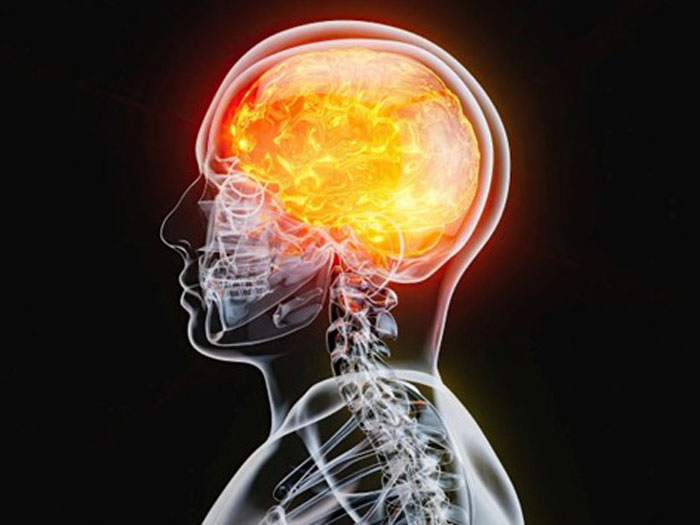
Sleep is one of the vital needs of the brain and nervous system and has a profound effect on the overall functioning of the body. Contrary to what many people may think, sleep is not only about resting the body; It is essential for brain health. During sleep, the brain has the opportunity to carry out various processes that, if not carried out, the functioning of the brain is disturbed and may lead to serious problems. Among the effects of sleep on the health of the brain and nerves, the following can be mentioned:
- **Repairing and rebuilding the brain:** Sleep allows the brain to rebuild itself and clean the waste materials that accumulate in the brain during the day. - **Strengthening memory:** Sleep plays a key role in memory consolidation. During sleep, information acquired during the day is transferred to long-term memory. - **Increasing cognitive performance:** Sufficient sleep helps to increase cognitive abilities such as creative thinking, concentration and overall mental performance. Brain growth and development: Studies have shown that children who regularly sleep 9 hours a night have better brain function and are less exposed to behavioral and psychological problems, compared to children who sleep less. - ** Regulation of emotions: ** Sleep helps to regulate emotions and feelings. When we have enough sleep, our emotions are more stable and we can better cope with the stresses and challenges of everyday life. Common sleep disorders and their symptoms
**Sleep disorders** have different types that can have different effects on people's quality of life. Each of these disorders has its own symptoms, and depending on their type, a person may feel tired, anxious or unfocused during the day. These disorders include:
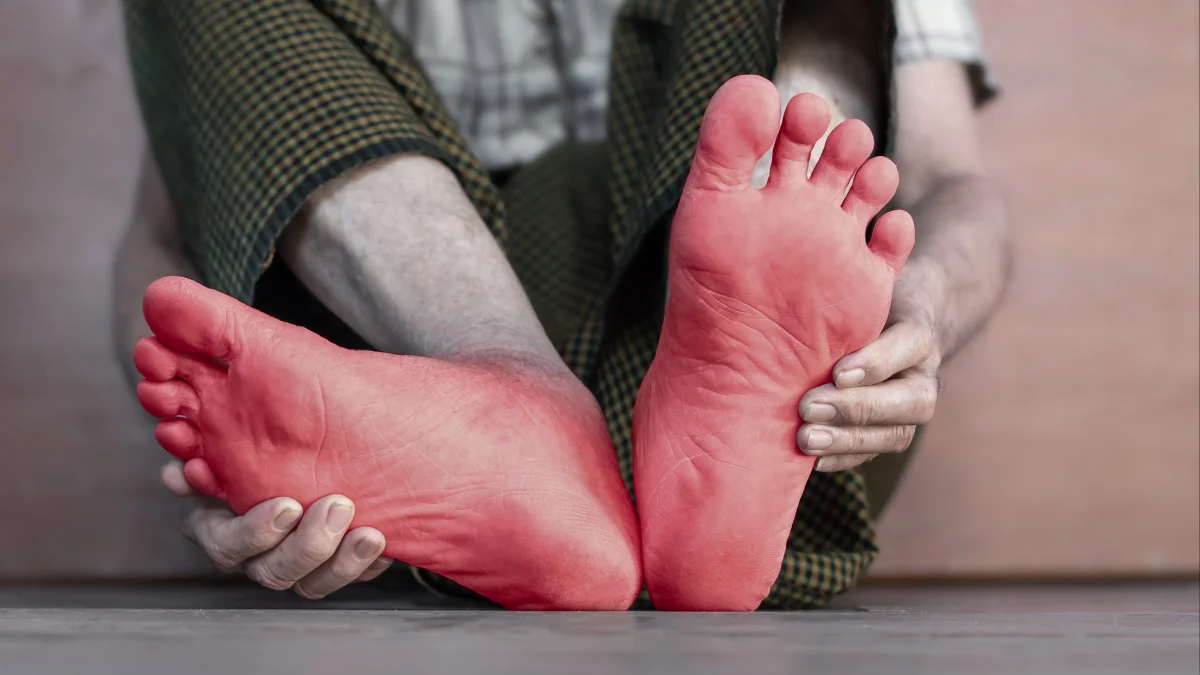
- **Sleep Apnea:** A disorder in which breathing stops temporarily during sleep. There are two types: **obstructive sleep apnea** (blockage of airflow in the nose or mouth) and **central sleep apnea** (the brain cannot send the proper signal to the respiratory muscles). Symptoms include snoring, daytime sleepiness, morning headaches. 1. 1. **Insomnia:** Difficulty falling asleep or staying asleep, which leads to decreased energy, impaired concentration, and increased irritability. - **Restless Leg Syndrome (RLS):** Unpleasant feeling and strong need to move the legs, usually at night and while resting. Symptoms ease with activity but can cause insomnia. - **Narcolepsy:** **Nervous disorder** that causes extreme sleepiness during the day. Symptoms include cataplexy (muscle weakness), sleep paralysis, and poor quality night sleep. - **Idiopathic hypersomnia:** Continuous sleepiness during the day without a specific cause. This disorder affects job performance and personal relationships. - **Sleep Paralysis:** Temporary inability to move or speak when falling asleep or waking up, accompanied by hallucinations and a feeling of pressure on the body. - **REM sleep disorder:** Violent physical movements in sleep while dreaming, which may be accompanied by punching, kicking or screaming. - **Grinding teeth in sleep:** Clenching or grinding teeth in sleep, which can lead to jaw and teeth problems. - **Parasomnias:** Abnormal behaviors such as sleepwalking or night terrors that occur between sleep and wakefulness. - **Night sweats:** Heavy sweating at night, which is usually related to hormonal changes or the treatment of some diseases. - **Snoring:** The sound that occurs during sleep due to partial obstruction of the airways and can be a sign of sleep apnea. Methods of prevention and treatment of sleep disorders
In order to have a peaceful and high-quality sleep, one should first pay attention to the prevention of these disorders and in case of problems, take appropriate treatment methods. ### Prevention of sleep disorders
- **Maintaining sleep hygiene:** Having a regular schedule for sleeping and waking up can help a lot to improve your sleep quality. Try to sleep at a certain time every night and wake up at a certain time in the morning. Also, make your sleeping environment quiet, dark and comfortable and limit caffeine consumption or use of electronic devices at least one hour before sleep. - **Lifestyle change:** Regular physical activity and exposure to natural light during the day are key factors for regulating sleep rhythm. Light exercise or even walking can help you sleep better. Also, try to reduce daily stress, because **stress** is one of the main causes of sleep disorder. ### Treatment of sleep disorders
Treatment methods for sleep disorders vary depending on the individual's condition and may include relaxation techniques to advanced treatments such as surgery. Here are some of these methods:
- **Relaxation techniques:** Relaxation techniques such as deep breathing, guided imagery or gradual muscle relaxation
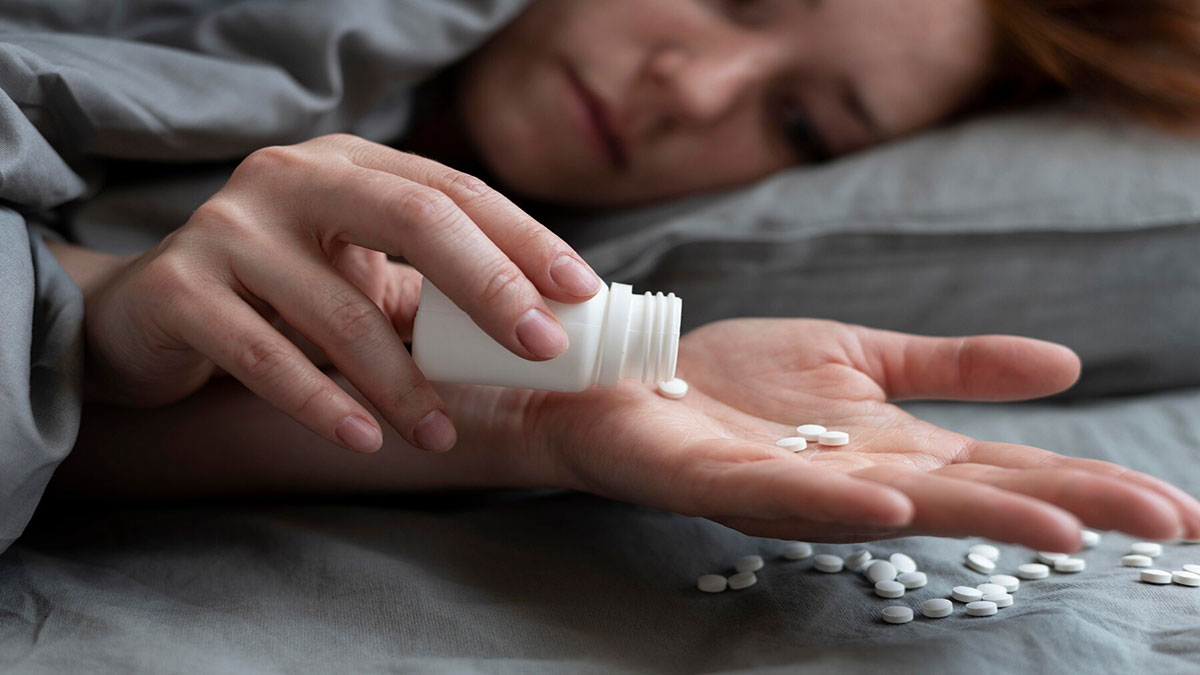
- **Psychological treatment:** Cognitive behavioral therapy (CBT) is one of the effective methods for treating sleep disorders. - **Biofeedback:** Biofeedback is a way to manage physiological stress such as an increase in **heart rate** or **blood pressure** that may affect sleep. - **Use of a CPAP device:** For people who suffer from sleep apnea, a continuous positive airway pressure (**CPAP**) device can be a suitable option. - **Medications:** In some cases, the use of medication can help to **improve sleep**. Sleeping pills are effective for reducing the time to fall asleep and preventing frequent awakenings. - **Surgery for sleep disorders:** In cases where non-surgical methods are not responsive, surgery can be the final solution. These surgeries usually include correcting nasal deformities, removing tonsils or adenoids, and even installing a sleep apnea device. Diagnosis of sleep disorders using EEG
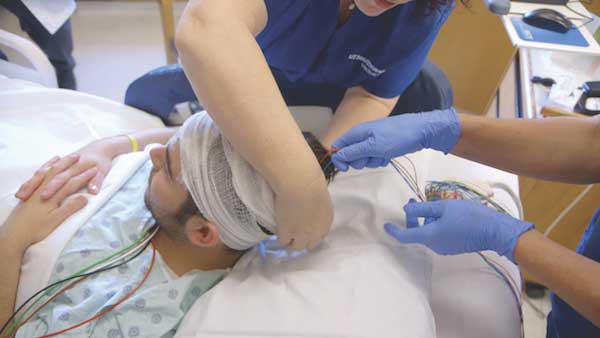
**EEG (electroencephalogram)** is a valuable tool in diagnosing sleep disorders by monitoring brain activity during sleep. This helps identify conditions such as insomnia, narcolepsy-cataplexy syndrome, obstructive sleep apnea, circadian rhythm disorders, and parasomnias. EEG records electrical activity through electrodes on the scalp and reveals brain wave patterns associated with different sleep stages and disorders. It is often used in conjunction with other tests such as polysomnography to provide a comprehensive assessment of sleep issues. EEG is non-invasive, cost-effective and can be automated for efficient sleep stage classification. Pharmaceutical and non-pharmacological interventions to improve sleep quality
To improve sleep quality, there are various pharmacological and non-pharmacological interventions that can help reduce sleep problems. These interventions may be different depending on the type of sleep disorder and individual needs. Pharmacological interventions such as benzodiazepines, non-benzodiazepine drugs (such as zolpidem and zalplon), melatonin and antihistamines such as diphenhydramine are effective for treating insomnia. Non-pharmacological interventions such as good hygiene (reducing light and noise, using a comfortable mattress and pillow and maintaining a suitable temperature in the room), regular sleep routine, meditation and breathing exercises, regular exercise and avoiding stimulants (limiting the consumption of caffeine, nicotine and alcohol) are the best treatment methods for sleep disorders. In the table below, you can see a summary of pharmacological and non-pharmacological interventions for the treatment of sleep disorders:
Conclusion
Sleep disorders can have profound effects on a person's physical and mental health, and if left untreated, may cause more problems. Therefore, timely and effective treatment of sleep problems is very important. For people who are facing **insomnia and sleep problems**, counseling and treatment under the supervision of a reliable and experienced specialist can be a solution. Dr. Majid Kihanifar, neurovascular intervention specialist and neurologist, with years of experience in the field of **treatment of sleep disorders** and **neurological diseases,** can help you find suitable solutions to improve your sleep quality. For consultation with Dr. Kihani, you can contact him through the communication channels on the site. ######: Resources
https://www.scirp.org/journal/paperinformation?paperid=112539&utm_source=perplexity
https://www.aurorahealthcare.org/services/sleep-disorders/treatment-options?utm\_source=perplexity
https://www.aurorahealthcare.org/services/sleep-disorders/types-of-sleep-disorders?utm\_source=perplexity
https://medicine.utah.edu/neurology/news/2023/06/why-at-least-seven-hours-of-sleep-is-essential?utm\_source=perplexity