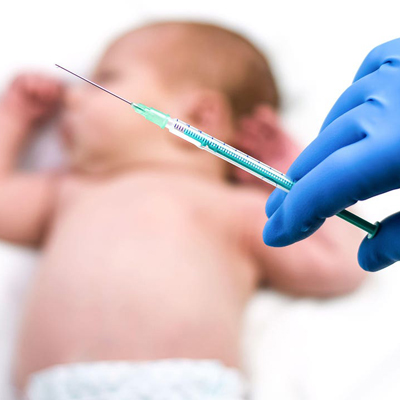

واکسیناسیون نوزادان یکی از مهمترین اقدامات پیشگیرانه در پزشکی مدرن است که جان میلیونها کودک را در سراسر جهان نجات داده است. However, many parents—especially first-time parents—have concerns and questions about the safety of infant vaccines. Questions like "Are vaccines dangerous for babies?", "Does multiple vaccines at a young age damage the immune system?" or "How serious are the side effects of the vaccine?" They are completely natural and understandable.
In this article, we try to answer the most important concerns of parents about infant vaccines in a simple but scientific language and clearly explain the role of vaccination in maintaining a child's health.
What is the vaccine and how does it work?
A vaccine is a substance that contains a weakened, inactivated form or part of a disease-causing agent (such as a virus or bacteria). The purpose of the vaccine is not to cause disease, but to "train" the body's immune system so that it can defend the body quickly and effectively if it is actually exposed to the disease.
A baby's immune system is active from birth and encounters thousands of new microbes every day. Vaccines only simulate a very small part of this natural exposure and help the body to gain immunity without the risk of severe disease.
Is the baby's immune system weak for vaccines?
One of the common beliefs is that the baby's immune system is "too weak" and vaccination can damage it. This idea is not scientifically correct.
Babies are able to respond to antigens (substances that stimulate the immune system) from the very first days of birth. In fact, the baby's immune system is designed in such a way that it can adapt to the new environment outside the womb. Vaccines are designed with a very controlled and safe dose, exactly according to the power of the baby's immune system.
Is it dangerous to inject several vaccines at the same time?
Some parents are worried that injecting several vaccines at once will put a lot of pressure on the baby's body. Extensive scientific studies have shown that injecting several vaccines at the same time is not only dangerous, but completely safe.
The baby's body encounters thousands of different antigens every day. The amount of antigen in vaccines is very small compared to this natural exposure. The vaccination schedule is adjusted to provide the most protection at the most sensitive ages; That is, when the baby is most vulnerable to infectious diseases.
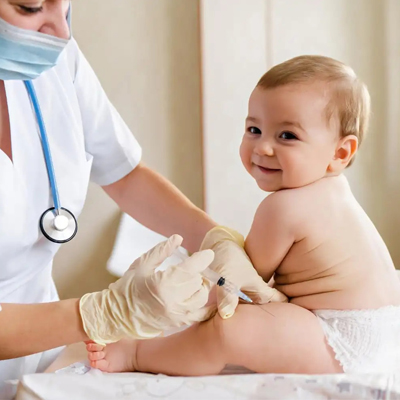
What are the side effects of vaccines and how worrying are they?
Like any other medical procedure, vaccines may have side effects, but these side effects are often mild and temporary. The most common side effects of vaccines in babies are:
- Slight fever
- Redness or swelling at the injection site Restlessness or temporary sleepiness Short-term appetite reduction
These reactions indicate the activation of the body's immune system and usually resolve within 24 to 48 hours. Severe and dangerous side effects of vaccines are very rare and the probability of their occurrence is much lower than the risks of the diseases that the vaccine prevents.
Do vaccines cause autism?
One of the most common concerns of parents is the connection between vaccines and autism. This concern is rooted in an old and inaccurate study that was published years ago and was later found to be scientifically and ethically flawed.
Today, extensive research has been conducted on millions of children in different countries, and no valid scientific link has been found between vaccines and autism. The medical community and reputable global organizations have categorically rejected this claim.
If the baby is sick or premature, is vaccination dangerous?
In many cases, even premature babies or babies with mild illnesses can get their vaccines as scheduled. In fact, these babies need the protection of vaccines sometimes even more than other children due to their greater vulnerability.
Of course, the final decision about the time and type of vaccine should be made by a pediatrician based on the specific conditions of each baby. For this reason, consultation with a doctor is very important.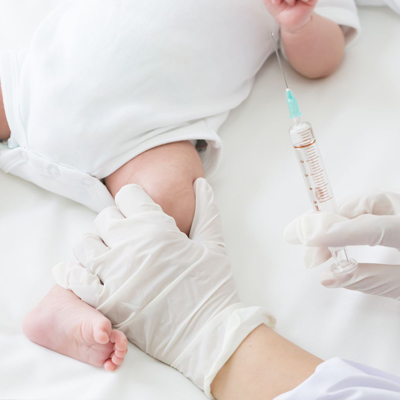
What is the danger of not getting the vaccine?
Sometimes parents focus only on the possible side effects of the vaccine and the risks of not getting the vaccine are ignored. Diseases such as measles, whooping cough, polio, diphtheria and tetanus can have very serious, permanent or even fatal consequences for babies.
Vaccination not only protects your child, but also helps protect other children and society; Especially children who are unable to receive vaccines for medical reasons.
The role of pediatrician in safe vaccination
One of the most important factors in the safety of vaccination is the injection of the vaccine under the supervision of a pediatric specialist such as Dr. Kambiz Herman Moghadam. By examining the growth status, general health and medical history of the baby, the doctor makes the best decision about the time and type of vaccines and guides the parents about post-injection care.
Summary
Vaccination of infants is one of the safest and most effective methods of preventing dangerous diseases. Extensive scientific evidence shows that vaccines are not dangerous for babies and their benefits far outweigh their mild and temporary side effects. Parents' concerns are respectable, but the best way to be sure is to get the right information from scientific sources and consult with a pediatrician.With timely vaccination, you take a big step for your child's health today and in the future.





