

دندان درد عصبی یکی از مشکلاتی است که بسیاری از افراد در طول زندگی خود با آن مواجه میشوند. این نوع درد نه تنها آزاردهنده است، بلکه میتواند تأثیرات منفی بر کیفیت زندگی فرد بگذارد. درد دندانی میتواند ناشی از التهاب عصبهای دندانی، پوسیدگیهای شدید یا آسیب به دندانها باشد. در این مقاله، به ارائه روشهای مؤثر درمان دندان درد عصبی و مشاوره رایگان خواهیم پرداخت تا به شما کمک کنیم به بهبودی سریعتر برسید و از خدمات دندانپزشکی با کیفیت بهرهمند شوید.
جدول مقایسهای دردهای دندانی شایع و دندان درد عصبی
| ویژگی | درد دندانی معمولی (مثلاً پالپیت) | دندان درد عصبی (نورالژی تری ژمینال) | دندان درد عصبی (درد ایدیوپاتیک) |
|---|---|---|---|
| کیفیت درد | ضرباندار، عمقی، پیوسته | تیر کشیدن ناگهانی، شوک الکتریکی | سوزشی، مبهم، مداوم |
| محرک | سرما، گرما، شیرینی، فشار | لمس صورت، صحبت کردن، مسواک زدن | اغلب بدون محرک مشخص، ممکن است با استرس تشدید شود |
| مدت درد | دقیقهها تا ساعتها | ثانیهها تا حداکثر ۲ دقیقه در هر حمله | ساعتها تا تمام روز |
| محل درد | قابل انتساب به یک دندان خاص | در محدوده یک یا چند شاخه عصب سهقلو | اغلب منتشر، مرزبندی نامشخص |
| پاسخ به درمان دندانی | با عصبکشی یا کشیدن بهبود مییابد | با درمانهای دندانی تغییری نمیکند یا بدتر میشود | با درمانهای دندانی تغییری نمیکند |
| معاینه دندانها | معمولاً یافته مثبت (پوسیدگی عمیق و…) | هیچ یافته دندانی مرتبطی وجود ندارد | هیچ یافته دندانی مرتبطی وجود ندارد |
دندان درد عصبی و علل شایع آن
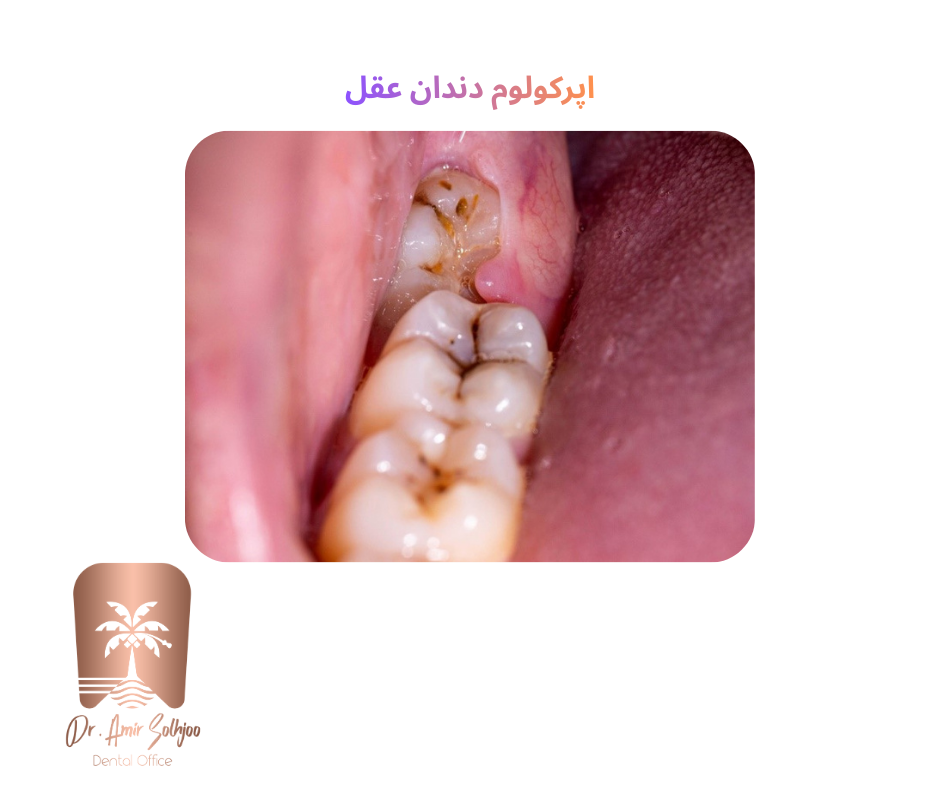
برای درک بهتر دندان درد عصبی، لازم است که ابتدا با علل شایع آن آشنا شویم. Inflammation of the dental nerve, decay and physical damage to the tooth can be known as the main causes of these pains. Each of these factors alone or in combination can lead to severe pain that requires immediate treatment.
Inflammation of the dental nerve
Inflammation of the dental nerve or pulpitis is one of the most common causes of tooth nerve pain. This condition is usually caused by infection or damage to the tooth nerve. Symptoms of this problem include severe pain, sensitivity to heat and cold, and swelling in the area around the tooth. If this inflammation is not treated in time, it may lead to more serious infections that can even lead to tooth loss. With the progress of caries, the tissues of the tooth are destroyed and the bacteria get close to the nerve of the tooth. This condition can lead to sudden and severe pain that requires immediate treatment. Treatment of decay usually involves filling the tooth or, in more severe cases, denervation.
Damage to the tooth
Physical damage to the tooth such as accidents or grinding teeth can also lead to nerve pain. In these cases, it is very important to see a dentist quickly so that accurate information can be obtained about the damage and the appropriate treatment can be carried out. id="%D8%AA%D8%B4%D8%AE%DB%8C%D8%B5_%D9%88_%D8%AF%D8%B1%D9%85%D8%A7%D9%86_%D8%AF% D9%86%D8%AF%D8%A7%D9%86_%D8%AF%D8%B1%D8%AF_%D8%B9%D8%B5%D8%A8%DB%8C">Diagnosis And the treatment of neuralgic toothache
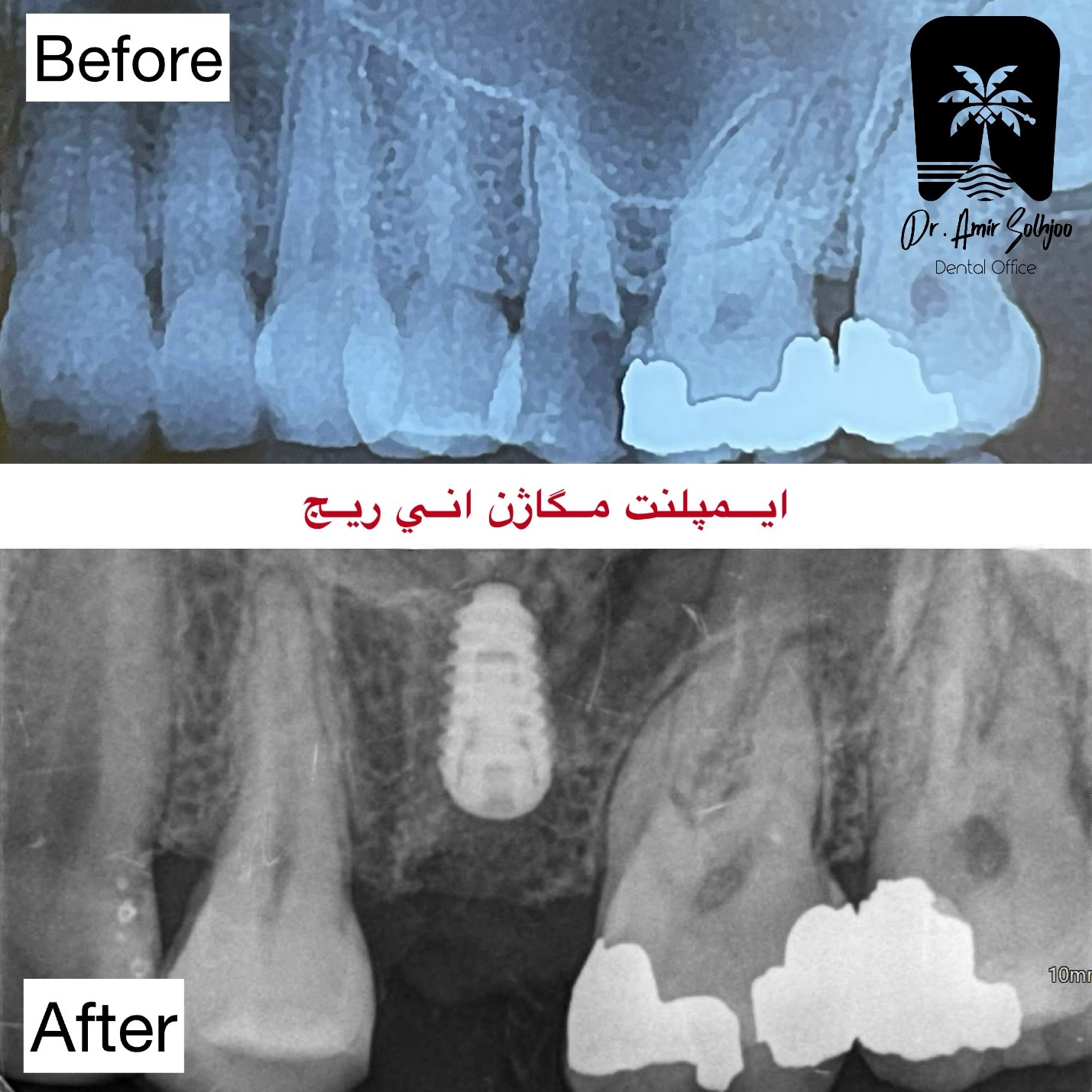
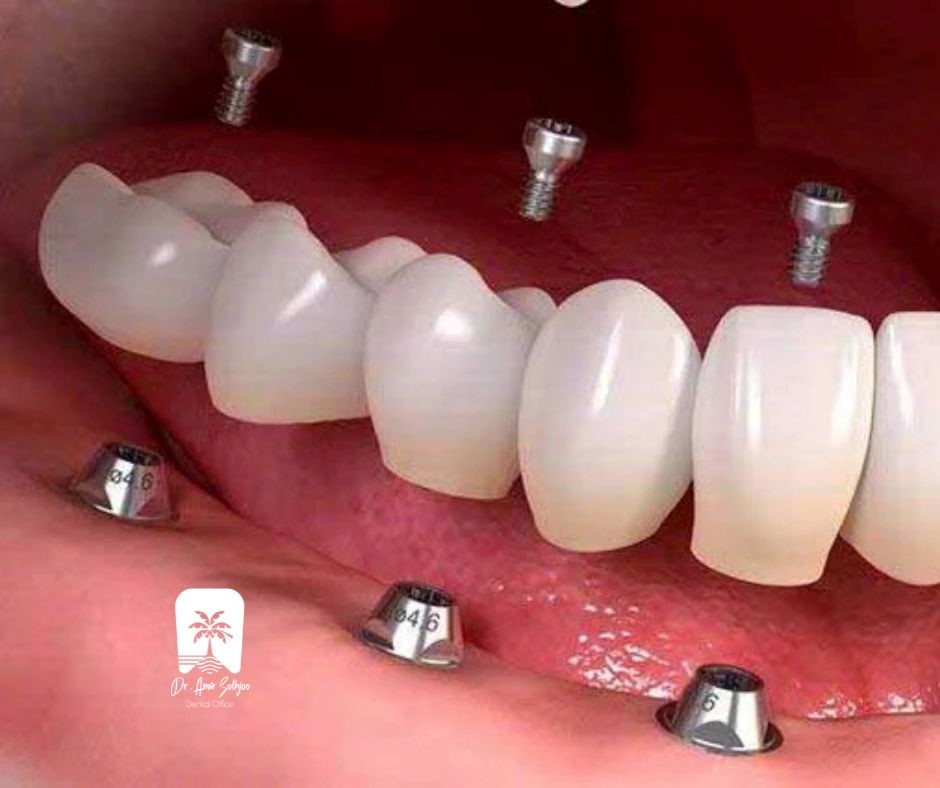
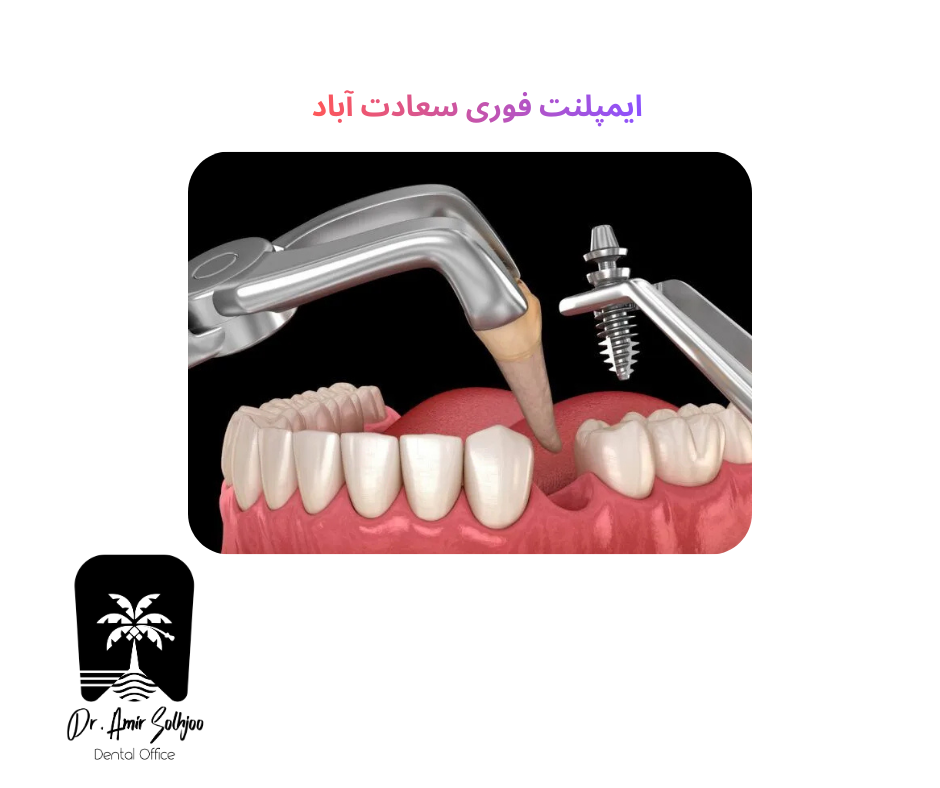
diagnosis The exact cause of neuralgic toothache requires comprehensive and detailed dental examinations. Using x-rays and physical examination, dentists can identify the source of pain. Common treatments include nerve killing, Tooth filling and in some cases, There are different methods for treating nerve pain. These treatments can be divided into different categories. Knowing these methods will help you deal with your pain in the best possible way. Modern and digital equipment in dentistry allows doctors to identify dental problems faster and more accurately. For example, the use of digital radiography can help to quickly diagnose caries and infections. These technologies not only increase the accuracy of the treatment, but also reduce the patient's pain and discomfort. In many cases, non-surgical treatments can help improve the condition of the teeth and reduce nerve pain. One of these treatments can be the use of painkillers that help relieve pain in critical times. Also, home remedies such as washing with salt water or using cold compresses can help reduce inflammation and relieve pain. If nerve pain is caused by more serious problems such as deep infections, surgical procedures may be needed. Root canal treatments are very effective in solving the underlying problems. Using advanced equipment, these processes are performed with less pain and discomfort. after Every treatment, consultation and follow-up is very important. Dentists help patients prevent the recurrence of nerve pain by providing the necessary tips and solutions. These consultations include how to take care of the teeth and oral hygiene. Nerve removal is one of the effective methods in treating infected and damaged teeth. By performing nerve extraction, the infections in the tooth are eliminated and this operation helps to prevent the development of dental and infectious problems. This method is especially important in cases where there is nerve pain. Nerve removal process includes removing inflamed and infected tissue from inside the tooth and filling it with suitable materials. This method directly helps to reduce nerve tooth pain. With the elimination of infection and inflammation, the pressure on the nerve of the tooth is reduced and as a result the pain is reduced. If done in time, tooth extraction can be prevented. In addition to aesthetics, this topic also helps to maintain the function of the teeth and prevent future problems. Nerve removal can reduce treatment costs in the future. Not treating dental infections on time can lead to serious complications. Nerve removal works as a preventive method. By eliminating the source of infection, the possibility of further complications is minimized. Toothache is one of the common problems that can have negative effects on mood and daily life. In the meantime, providing free consultation helps patients to identify their dental problems and choose the best treatment method. These consultations include a detailed examination of the condition of the teeth and diagnosis of the causes of pain. Using free consultation, patients can visit dentists at no cost and inquire about their dental symptoms and problems. These interactions can help to identify serious problems early. Dental staff introduce appropriate treatment options according to the type of dental problem. Treatments such as dental fillings and root canals allow patients to improve their dental health. Many dental centers offer installment services so that patients can receive the necessary treatments without financial pressure. These services are especially effective for people who need long-term treatments. Neuralgia toothache can have serious effects on quality of life. People who have this problem may have difficulty concentrating and doing daily tasks. Pain itself can cause distraction. and prevent a person from doing daily activities. This can lead to reduced productivity and ability to perform tasks. Toothache can cause inability to do simple tasks such as eating and talking. This condition reduces the quality of life and increases stress and anxiety. Nervous toothache can negatively affect a person's social relationships. People who suffer from this pain may have less desire to participate in social activities, which leads to isolation and depression. There are a variety of treatments that can help reduce pain and improve overall health. Also, the use of pain management techniques can be effective in this field. id="%D9%86%D8%AA%DB%8C%D8%AC%D9%87_%DA%AF%DB%8C%D8%B1%DB%8C_%D8%AF%D9%86%D Result Nerve toothache We understand that toothache is a common and annoying problem that can not only damage the oral health, but also reduce the quality of a person's life. Through timely diagnosis and treatment, more serious consequences and high treatment costs can be avoided. Free consultation and installment dental services can help patients suffering from toothache to access the needed treatments with ease. Therefore, paying attention to dental symptoms and advice significantly improves people's quality of life and makes everyday life more comfortable. Toothache is completely real and a definite medical condition. This pain is caused by a disturbance in the physiological function of the nerves or the pain processing system of the brain. Although psychological factors such as stress can aggravate it, the main cause is not psychological. Unfortunately, due to the invisibility of the cause, sometimes patients are faced with the label of "psychological pain", which is not correct. No, definitely not. One of the biggest mistakes in dealing with nerve pain is to perform irreversible treatments such as nerve removal or extraction of a healthy tooth. Since the pain does not originate in the tooth itself, these treatments not only do not help, but may even complicate the problem by creating new pain from the surgery (post-traumatic neuropathic pain). Such treatment is recommended only if the dentist, after careful examination, has identified the source of the pain as the tooth itself. You definitely can't. This distinction requires expertise and examination. But as a clue: If your pain continually migrates from one tooth to another, persists after multiple dental treatments, or has an unusual quality like an electric shock or constant burning, you should discuss the possibility of nerve pain with your dentist. The answer depends on the exact cause. Some conditions, such as some types of trigeminal neuralgia, may be well controlled with medication or surgery. Others, such as persistent idiopathic pain, may require "long-term management" instead of "definitive treatment" with the aim of reducing pain intensity and improving quality of life. The goal is to restore normal function and reduce the patient's suffering. A general dentist with up-to-date knowledge and sensitivity to this issue can raise the initial suspicion, perform preliminary investigations and carefully rule out dental causes. But specialized dental treatment of nerve pain often requires teamwork with an oral specialist, orofacial pain specialist, or neurologist. The general dentist plays a key role in timely identification and referral of the patient. No. Neural tooth pain is a disease related to nerve physiology and is not treated by tooth replacement technologies such as implants (digital or non-digital). In fact, performing any unnecessary surgery on the area can make the condition worse. The focus should be on correct diagnosis and treatment of the nervous system. class="ez-toc-section-end"> Dental neuralgia is a complex diagnostic and treatment challenge that requires patience, patient cooperation and a scientific and systematic approach from the therapist. The key to success is avoiding hasty and irreversible dental procedures and investing in accurate and multidisciplinary diagnosis. Being aware of the existence of such pain and recognizing its warning signs can reduce years of confusion, frequent financial expenses, and physical and mental suffering of the patient. If you have a toothache that does not respond to usual treatments, has an unusual pattern, or has confused you in terms of diagnosis, do not ignore the possibility of nerve pain. By understanding these complexities and by adopting a comprehensive and evidence-based approach, Dr. Amir Salahjo's specialized dental clinic is ready to guide you in the correct diagnosis and management of this type of pain by performing detailed evaluations if needed. Pasargad - 9th Floor - Unit 26 Contact us today to get an appointment for expert consultation and examination of unusual or treatment-resistant toothaches. We are by your side to find the source of the pain and provide a suitable solution.Using digital equipment in treatment
Non-surgical treatments
Surgery methods in severe cases

Consultation and follow-up after treatment of nerve-pain tooth
Nerve removal process
Nerve removal and prevention of complications
Consultation Free dental nerve pain and installment dental services
Diagnosis of dental problems with free consultation
tips for choosing the best treatment method
Installment dental services
Neuralgia toothache on quality of life
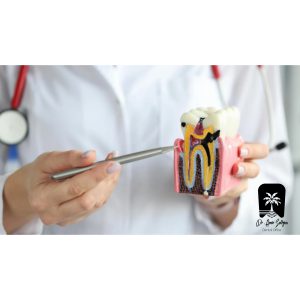
Disruption in concentration and impact on performance
Inability to perform daily activities
Social and psychological disorders
Is toothache real or just in my head?
If I nerved or pulled my tooth, will the nerve pain disappear?
How can I tell the difference between a normal toothache and a neuralgic toothache?
Is there a definitive treatment for nerve pain?
Can a general dentist treat nerve pain?
Do the "digital implant" method or other new technologies help?
Telephone: 02144387914
Instagram: @DR.SOLHJOODENTALOFFICE
WhatsApp to book an appointment and free consultation: 09106520066
Aparat: https://www.aparat.com/dramirsolhjoo