Clamastin tablets are an effective drug for allergy symptoms and allergic reactions
Antihistamines are a group of widely used drugs that are prescribed for the treatment of allergies and allergic reactions....Clamastin tablets are considered one of the most widely used drugs in the category of antihistamines....This drug is effective in reducing allergy symptoms, fever, skin symptoms of people and people suffering from this disease due to its sedative and anti-inflammatory properties...they are annoying and sometimes can affect a person's daily activities..
If your doctor has recently prescribed Clemstin tablets for you, join us in this article from GCORP LLC Health Magazine so we can introduce you to its benefits, side effects and how to use it.
Table of contents
- What is clemastine tablet?
- Mechanism of clemastine effect
- What is clemastine tablet for?
- 1- clemastine tablets for hives
- 2- clemastine tablets for cough
- 3- Throat
- How to take clemastine tablets
- The best time to take clemastine tablets
- Precautions and contraindications for clemastine tablets
- Clemastin tablets in pregnancy and breastfeeding
- What are the side effects of clemastine tablets?. Does this medicine have?
- Possible common side effects
- Possible serious side effects
- Clamastin drug interactions
- Guide to see a doctor
- Frequently asked questions
What is clemastine pill?
Clamastin tablets under the brand name Taugil is one of the most widely used drugs in the category of antihistamines, which helps to reduce allergy symptoms. This drug prevents the action of a substance called histamine in the body, which causes allergy symptoms. Prescribes.... Also, by blocking another substance called acetylcholine, this drug can improve severe allergy symptoms such as runny eyes and nose.
Learn more: Salbutamol Spray
The mechanism of action of clemastine
Clamastin 1 mg tablet and its other doses are a type of first generation antihistamine that works by blocking histamine H1 receptors in the body. The ingredients of this pill bind to histamine H1 receptors and prevent its activity in body tissues.
Learn more: Diphenhydramine syrup
What is clemastine pill for?
This pill is in the category of antihistamine drugs and helps reduce the symptoms of allergies and severe sensitivities such as skin rashes, watery eyes, itchy eyes and nose, itchy throat and skin, runny nose and sneezing... Other uses of clemastine are as follows:
1- Clemastine tablets for hives
This drug is effective for treating skin allergies such as hives... Clemastine reduces the itching, swelling, and redness of the skin caused by hives by blocking histamine H1 receptors... Usually, the doctor prescribes clemastine ampoules for this condition to have a faster effect, but if a person cannot take ampomustine...
Learn more: Tablets Loratadine
2- Clemastine tablets for cough
Clamastin is prescribed to control coughs caused by allergies or irritation of the respiratory tract.... If you are allergic to certain foods, flower and plant pollen, animal hair and any other allergic factor, you can take this medicine under the supervision of a doctor..
The antihistaminic effect of clemastine helps to reduce the irritation of the throat mucosa... It is also effective in reducing the spasm and inflammation of the respiratory tract caused by the release of histamine..
Learn more: Seroflu spray
3- Clemastine tablets for sore throat
In most cases, people who suffer from cough and itchy throat caused by allergies experience burning and sore throat.... In such conditions, oral clemastine can reduce inflammation and sore throat caused by allergic reactions by blocking histamine receptors.
Learn more: Pseudoephedrine syrup
How to take clemastine tablets
This drug must be taken completely according to the doctor's prescription... Usually, the doctor determines the dose of the drug based on the age, general condition of the patient, how the body responds to the treatment, and the type and severity of the allergy symptoms for each person. The course of treatment with clemastine tablets is usually short.
Learn more: Phenylephrine drops
Typically, clemastine is prescribed once or twice a day, where you can take a dose of 1 mg every 12 hours and a dose of 2 mg as a single dose...
Among other important points when taking this medicine, the following can be mentioned:
- This tablet should be swallowed with a full glass of water.. So do not crush, break or chew it.
- Clamastin tablets can be taken with or without food.
- Take the medicine completely until the end of the treatment period.
- If you have an upset stomach, it is better to take clemastine with food.
- Avoid stopping the drug suddenly, especially if you have been using it for a long time.
- If the allergic symptoms do not improve after taking a few doses of it, do not arbitrarily increase the dose of the pill.. because it has no effect on your faster recovery.
- This medicine causes drowsiness.. So, after taking it, avoid doing things like driving that require full alertness. If you forget to take a dose of the medicine, take the missed dose as soon as you remember... However, if the next dose is close (less than four hours), you can skip the missed dose and continue taking the pill as directed by the doctor.
- Remember, avoid taking 2 doses of clemastine at the same time.. because the possibility of side effects increases.
Learn more: Montelukast tablets
The best time to take clemastine tablets
The appropriate time to take this pill depends on the reason for the prescription and the doctor's recommendation.... If clemastine is prescribed as 2 doses, it is better to take it in the morning and at night, but it is recommended to take it as a single dose at night and before going to bed.... Since clemastine is a sleep medicine, it is very important to consult your doctor when taking this pill... the time of day so that a fixed dose of its ingredients remains in the body.. Stay.
Learn more: Mucolin Bromhexine tablets
Clamastin precautions and contraindications
This pill should be used with caution in the presence of the following conditions and diseases and may be contraindicated in some cases:
- sensitivity to clemastine compounds
- High blood pressure
- Heart problems
- eye disease such as glaucoma
- Respiratory diseases such as asthma and bronchitis
- Liver and kidney disease hyperthyroidism
- Stomach ulcer or obstruction
- urinary problem caused by enlarged prostate or urinary retention
- porphyry
- Premature babies
- Epilepsy
- Obstruction of the small intestine
Learn more: Fexofenadine tablets
Clamastin tablets in pregnancy and breastfeeding
This pill should be prescribed during pregnancy only if the benefits outweigh the possible risks... because there is currently not enough information about its effect on the fetus during pregnancy.... Therefore, if you are pregnant or planning to become pregnant, consult your gynecologist about the use of clemastine...
Also, the use of clemastine tablets during breastfeeding is not recommended. Because the components of this medicine are transferred to the baby through breast milk and may cause possible side effects such as drowsiness, irritability or restlessness for the baby.Learn more: Ephedrine tablets
What are the side effects of clemastine?
This pill, like other drugs, may cause a series of side effects, which include the following:
Common possible side effects
These side effects are usually mild and resolve on their own after a few days:
- Blurred vision sleepiness
- Headache
- dizziness dry mouth Constipation or diarrhea Dry nose and throat
- stomach discomfort
- Profuse perspiration
- Loss of appetite
Learn more: Neotadine tablets
Possible serious side effects
The following symptoms are serious side effects of this pill and if you see them, you should tell your doctor immediately:
- Rapid or irregular heartbeat
- Ringing in the ears Numbness in the legs or difficulty walking Mood changes such as irritability, nervousness and confusion
- Illusion and confusion
- Low blood pressure
- Severe changes in vision
- Seizures
- Severe fatigue
- Difficulty urinating
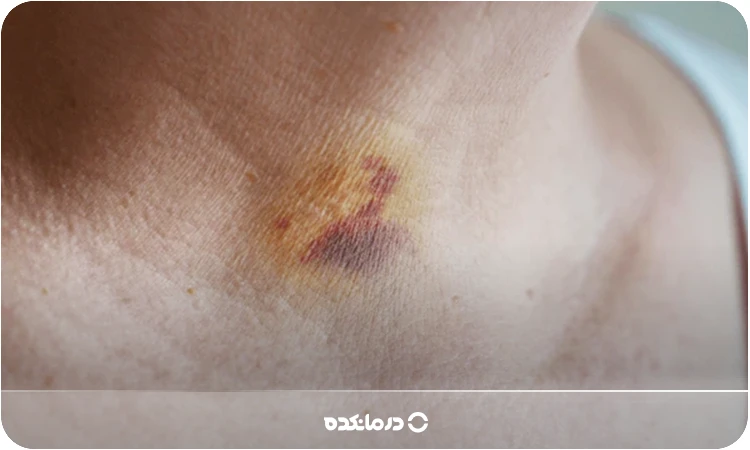
- Bruising or bleeding for no reason
- Allergic reaction such as skin rash, itching, shortness of breath and swelling of the face, tongue, throat and lips
Learn more: Bilastin tablets
Drug interaction of clemastine
Drug interactions reduce the effectiveness of this pill and can increase the likelihood of side effects... Drugs that may interact with clemastine tablets.. They are:- Antihistamines such as cetirizine and diphenhydramine
- Monoamine oxidase inhibitors (MAOIs) such as selegiline, isocarboxazid, phenelzine and tranylcypromine
- Local antihistamines such as diphenhydramine cream, ointment and spray
- hypnotic, anti-anxiety and anti-depressant such as alprazolam, diazepam and zolpidem
- analgesics and pain relievers such as codeine
- muscle relaxants
- Barbiturates such as phenobarbital
- Cough and cold medicines with similar ingredients
Learn more: Mometasone nasal spray
Guide to see a doctor
Clamastin tablet is an effective and widely used drug in the treatment of allergy and sensitivity symptoms that works by blocking histamine receptors in the body.. This drug can relieve symptoms such as itching, runny nose, sneezing, cough, hives, and redness of the skin caused by allergies.. Pregnancy, breastfeeding, and underlying disease... Arbitrarily, it can cause side effects or drug interactions..
In this article from GCORP LLC magazine, we have reviewed in detail the benefits, side effects, drug interactions, and how to take Clemstin tablets.... If you have more questions about its safety and effectiveness based on your specific condition, you can consult the best online specialist websites at GCORP LLC.. Dr. Allergy.... Also, GCORP LLC has provided you with the possibility to make an appointment with the specialist of your choice through the online appointment system of an allergist doctor... You can also visit a general practitioner online or visit your favorite doctor through the online appointment system to see a general practitioner in person.
Frequently Asked Questions
This pill is in the category of antihistamine drugs and by inhibiting histamine, it can help reduce symptoms such as itchy nose and eyes, sneezing, cough, runny eyes and nose, hives, and throat irritation that have an allergic origin in
histamine..No.... Clemastine does not contain Cortone... This drug is a type of antihistamine whose mechanism works by inhibiting the effect of histamine in the body.
Sources: Drugs medscape
Was this article helpful to you?
![Which fruit increases blood pressure [high and low]? 18 effective fruits](/storage/posts/covers/2026_01_08/ef00bb701cbb99e90a24ba8d73265ba4c08936335e859a33b69553f5c5e737a2.webp)
![For whom is rhinoplasty dangerous? [10 groups+cause+solution]](/storage/posts/covers/2026_01_06/3e06a993c87e243daaf67dc69ac3e484d377b2708c93656820e0084ea4f080d6.webp)
![What fruits have vitamin B12? [13 fruits + consumption tips]](/storage/posts/covers/2026_01_06/dfaeceb7cb9a203805aeba8715bf7cdea6f5cb2b5b9314e1898807545e874bb1.webp)
![Is nasal massage necessary after surgery? [Training + 5 effective benefits]](/storage/posts/covers/2026_01_06/1f2686c8d522130d256828a51d7d46594dbde31ec2253325e6a8a38f04094789.webp)
![The best drops to reduce eye pressure [14 powerful drugs + method of administration]](/storage/posts/covers/2026_01_06/0177c50098eb80d878d1c883d09ae31ad2f489b17e1288f52018e3f8ef213e5f.webp)
![What is hair filler? [9 benefits, how to inject + durability of hair filler]](/storage/posts/covers/2026_01_06/c21c5e1ff48e9af8214111dfe0b867586f298e3d74a95fadda02b0b04df12598.webp)
![The strongest antibiotic for tonsil infection [7 drugs + method of administration]](/storage/posts/covers/2026_01_06/7b5adf6bb8cf556824d96570b6adba58f824b3a7f248993cfaafb73c0b5b8610.webp)
![Garlic pills for weight loss [4 effective benefits and side effects + how to use]](/storage/posts/covers/2026_01_06/c49f08b482d5860218c8635e48194a50f2ed48b51ef15925aa2d73d8393ff3ab.webp)
![What foods increase eye pressure? [8 harmful foods and drinks]](/storage/posts/covers/2026_01_06/52929c4d1b9ed7916d3fc5a8e45060479fb186f332dd217e68905f71f89a33f0.webp)
![What foods lower eye pressure? [18 useful foods]](/storage/posts/covers/2026_01_06/f180eb15f8e64fc9b386f9d5dc7936a5e416af36032be3bdcdf9054925a21d43.webp)
![itchy scalp; 18 causes [medical treatment + 11 home remedies]](/storage/posts/covers/2026_01_06/a1e116ec1c6243fd5c4e6fb951da5cb33bbd92a09c44e29b845852a86f550681.webp)
![What is intestinal colitis and what are its symptoms? [3 causes + definitive treatment]](/storage/posts/covers/2026_01_06/d3384e9221c036ff3eb447c69ffabb109dd6c0c35f5e5f0af775c4545cfd7ea5.webp)
![The best pills for irritable bowel syndrome [10 powerful drugs]](/storage/posts/covers/2026_01_06/70f02d6808fab88d67b0c6734a623e5e71982d323dbd2fb8158c29669849b813.webp)