چسبندگی رحم یکی از مشکلات نسبتاً شایع در میان زنان است که گاهی بدون علامت خاصی بروز میکند اما میتواند بر باروری و سلامت رحم تأثیر بگذارد. In this situation, the inner walls of the uterus stick to each other and limit the space of the uterus. This problem usually occurs after uterine surgery, infection or abortion, but with awareness and timely diagnosis, it can be treated well. In the following, we will get acquainted with the causes, symptoms and methods of adhesion treatment so that we can prevent the occurrence of this complication with better knowledge or take timely action if it occurs.
What is uterine adhesion?
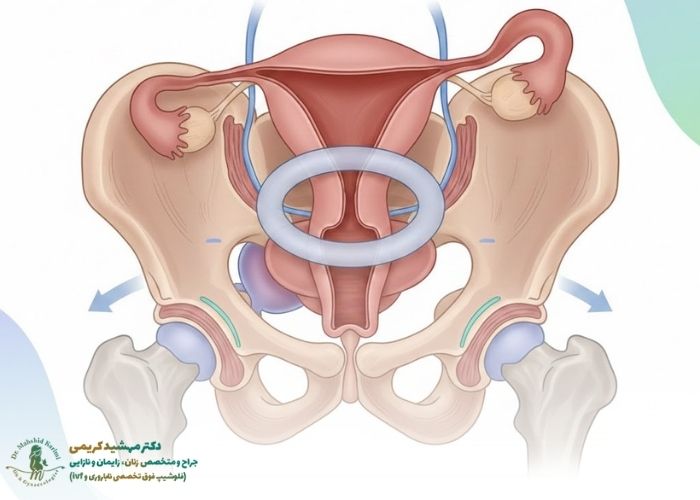
Uterine adhesion is a condition in which the inner walls of the uterus stick to each other instead of being free and separate. This phenomenon is usually caused by damage to the inner layer of the uterus (endometrium) and can reduce the space inside the uterus. Adhesions occur mostly after uterine surgeries such as curettage, caesarean section, or fibroid removal, but sometimes severe uterine infections are also the cause. The severity of adhesions may vary from mild to extensive, and in severe cases, it can prevent pregnancy or even regular menstruation. Recognizing this problem in time is an important step in maintaining women's reproductive health.
Early symptoms of uterine adhesion in women
The initial symptoms of uterine adhesions may appear differently in each woman, but there are usually signs that can be carefully recognized. Some of the most important early symptoms are:

- Reduction or cessation of menstrual bleeding: One of the most common symptoms is a decrease in the volume of period blood or its complete cessation.
- Severe pains during menstruation: Sometimes, due to adhesions, the uterus cannot easily expel menstrual blood and unusual pains occur.
- Infertility or difficulty getting pregnant: adhesion may prevent the embryo from implanting.
- Repeated miscarriages: In some women, adhesions prevent the pregnancy from continuing in the early stages.
- Pain during intercourse: In some cases, women experience pain or discomfort during intercourse.
What effect does uterine adhesion have on pregnancy?
Uterine adhesion, by sticking to the inner walls of the uterus, reduces the space required for embryo implantation and disrupts the blood supply to the endometrium, so it can make pregnancy difficult or impossible. In mild cases, pregnancy may occur but the chance of miscarriage or failed pregnancy increases, and in moderate to severe adhesions, the fertilized egg cannot attach to the uterine wall. Even in the case of pregnancy, there is a risk of repeated miscarriage, premature birth or insufficient growth of the fetus, so timely diagnosis and treatment of uterine adhesions is very important to increase the chances of a healthy pregnancy.
The best method of diagnosing uterine adhesion
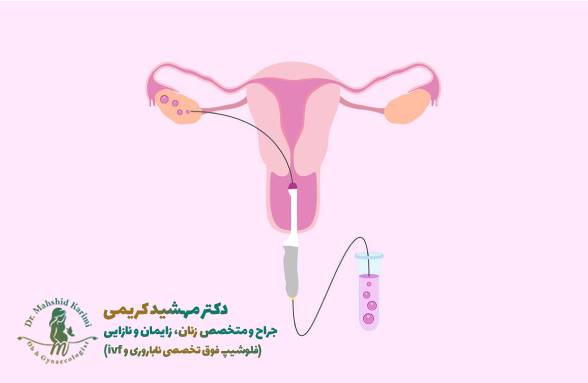
The best method to diagnose uterine adhesions is to use hysteroscopy. In this method, the doctor directly observes the inside of the uterus using a thin instrument equipped with a camera (hysteroscope). Hysteroscopy is the most accurate and reliable method, because the doctor can see adhesions, assess their severity and even remove them at the same time. In addition to hysteroscopy, several other methods are also used for initial diagnosis:
- Transvaginal ultrasound: can show signs of abnormalities in the shape or thickness of the uterine wall, but alone is not enough for a definitive diagnosis.
- Hysterosalpingography (HSG): In this method, a contrast material is injected into the uterus, and using X-rays, the internal shape of the uterus and the presence of adhesions are checked.
- MRI of the uterus: In complex cases or to investigate more details, the doctor may use MRI imaging.
treatment of uterine adhesion without surgery
In mild cases, uterine adhesions can be improved without surgery and with non-invasive methods. These treatments include hormonal drugs to stimulate endometrial regrowth, anti-inflammatory and antibiotic drugs to control infection, physical therapy to stimulate blood flow to the uterus, and maintaining a healthy diet rich in vitamins and iron to restore normal uterine function and prevent adhesions from spreading.
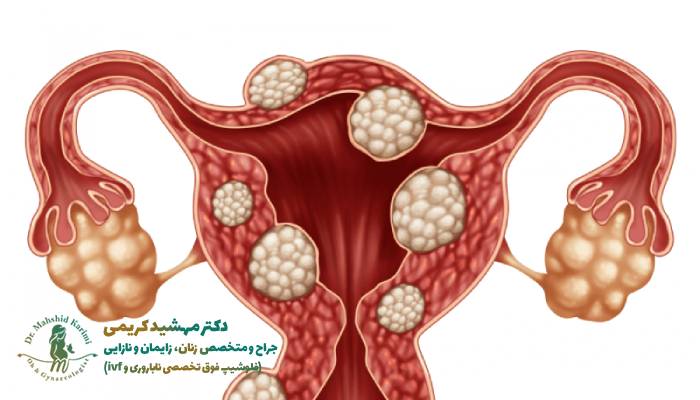
What is the difference between uterine adhesions and uterine fibroids?
Uterine adhesions and uterine fibroids are both common problems in women's reproductive system, but they are very different from each other in terms of their nature, cause and effect on fertility. Getting to know these differences helps to make a correct diagnosis and choose the right treatment.
the nature of the disease
Adhesion refers to the adhesion of the inner walls of the uterus to each other, and the healthy tissue of the endometrium is damaged in this case, while the uterine fibroid is a non-cancerous, muscular mass that grows in the wall of the uterus and has a completely different nature than adhesion.
cause of creation
Adhesion usually occurs after uterine surgeries such as curettage or cesarean, severe infections or internal inflammation of the uterus, but fibroids do not have an exact cause, and genetic factors, hormonal changes, and age play an important role in its formation.
Symptoms
Uterine adhesion manifests itself with reduced or stopped menstruation, severe pain, infertility or frequent miscarriage, while uterine fibroids cause heavy menstrual bleeding, feeling heavy in the pelvis, frequent urination and pain in the lower abdomen.
effect on fertility
Adhesion directly prevents the embryo from implanting and increases the chance of infertility or miscarriage, but fibroids can affect fertility depending on the location, and in many cases pregnancy is still possible.
treatment method
Uterine adhesions are usually improved with hysteroscopy therapy or endometrial regeneration drugs, while fibroid treatment can be drug, surgery, or non-surgical methods such as embolization, depending on its size and location.
Is uterine adhesion treated with medicine?
Uterine adhesion treatment with medicine is only possible in mild cases, and in most cases, complete treatment requires more specialized methods such as hysteroscopy. However, drug therapy plays an important role in repairing the endometrium, reducing inflammation and preventing the return of adhesions. The most important drugs used in the treatment process are:
- Estrogenic hormones: Medicines containing estrogen help to regenerate the inner layer of the uterus. These drugs stimulate the regrowth of the endometrial tissue and cause the uterine wall to come out of the sticky state.
- Anti-inflammatory drugs and antibiotics: If the adhesion is caused by an infection, the doctor will prescribe antibiotics to control the inflammation and prevent recurrence.
- Menstrual regulating drugs: Some drugs are used to restore the normal menstrual cycle and improve the function of the uterus.
proper diet after uterine adhesion surgery
After uterine adhesion surgery, nutrition plays an important role in tissue repair, reducing inflammation and regenerating the inner layer of the uterus (endometrium). In the following, the most important nutritional recommendations after this surgery are given:
sufficient protein consumption
After uterine adhesion surgery, protein is essential for the regeneration of damaged tissues. Suitable sources include chicken, fish, eggs, legumes, lentils and low-fat dairy products, and their regular consumption helps to repair the endometrium.
increasing consumption of fresh fruits and vegetables
Fruits and vegetables are rich in vitamins, antioxidants and fiber that help reduce inflammation and improve the immune system. Carrots, spinach, broccoli, pomegranate, oranges and berries are useful examples.
get enough iron
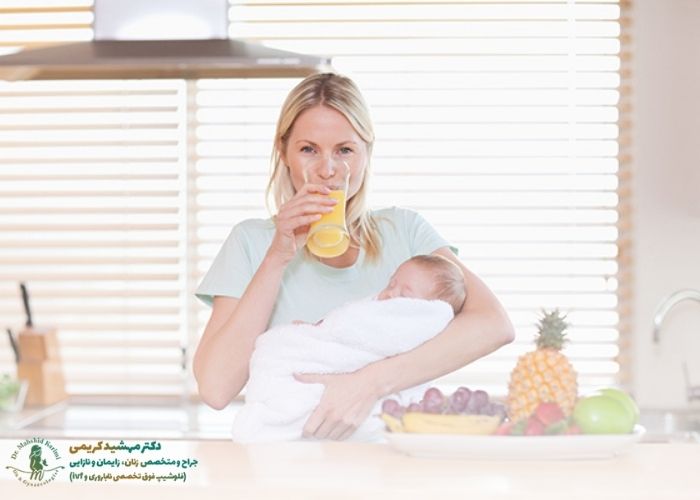
If surgery has caused bleeding, iron-rich foods are important to prevent anemia. Rich sources of iron include red meat, liver, lentils, spinach, and dates, and the simultaneous consumption of vitamin C, such as orange juice, increases iron absorption.
healthy fats
Healthy fats play a role in tissue repair and hormonal balance. Olive oil, avocado, nuts like walnuts and almonds, and fatty fish like salmon are good sources.
Abundant water and liquids
Drinking enough water helps to cleanse the body of waste materials and maintain the proper functioning of the uterus and is an important part of the healing process after uterine adhesion surgery.
avoiding inflammatory foods
In order to avoid tissue irritation, consumption of processed foods, sugary drinks, fast food, high caffeine and alcohol should be limited.
Recommended supplements with doctor's opinion
Sometimes the doctor prescribes supplements such as vitamin E, vitamin C, zinc or folic acid to speed up the repair process of the uterus and reduce the return of adhesions.
best doctor to treat uterine adhesion in Tehran
If you are looking for the best doctor to treat uterine adhesions in Tehran, Dr. Mahshid Karimi is one of the leading experts in this field. He is a surgeon and specialist in gynecology, obstetrics and infertility with an IVF fellowship from Tehran University of Medical Sciences and is a member of the prestigious fertility and infertility associations of Iran and Europe. Dr. Karimi specializes in hysteroscopy, laparoscopy, treatment of recurrent miscarriage, endometriosis, fibroids, and uterine adhesions, and with his high experience in treating uterine adhesions, he can increase the chance of pregnancy success and restoration of normal uterine function.
FAQs about uterine adhesion
Does uterine adhesions cause infertility?
Yes, adhesion of the uterus can prevent the implantation of the embryo and increase the possibility of infertility.
What is the relationship between uterine adhesions and recurrent miscarriage?
If there is adhesion, the blood supply to the uterine wall is reduced and this situation can cause repeated miscarriages.
Can uterine adhesions be treated with medicine?
In mild cases, yes. But in severe adhesions, there is usually a need for hysteroscopy treatment.
Is there a possibility of uterine adhesions returning after treatment?
Yes, if complete endometrial repair is not performed or infection occurs, adhesions may return. Post-treatment care and taking the drugs prescribed by the doctor are very important.