Table of contents
Studies have shown that people with cognitive problems or mental disorders have abnormal activities in their brain waves. Neurofeedback is a type of therapy that tries to provide the basis for treating or improving these abnormalities by correcting these waves. Today, many people use neurofeedback to treat various disorders, but the question that arises for many people is does neurofeedback have an effect? If you are also looking for an answer to this question and want to learn more about neurofeedback applications, ask your doctor to stay with us until the end of this article.
Is neurofeedback an effective treatment?
It's natural to be skeptical at first about new treatments like neurofeedback, which uses simple devices to regulate brain waves. Is it just a cool idea or does it really work? The truth is that there is no miracle neurofeedback possible, but new scientific research has confirmed it as a helpful tool.
For example, in children and adults with ADHD (attention deficit hyperactivity disorder), studies show that it can reduce symptoms such as restlessness and lack of concentration to an acceptable level. In anxiety and PTSD (post-traumatic stress), studies from past years say that it reduces the possibility of flashbacks to bitter memories and panic attacks. Of course, the result is different for each person and it must be done under the supervision of an experienced neurologist.
| Disorder | Neurofeedback effects |
|---|---|
| ADHD (attention deficit/hyperactivity disorder) | Reduction of symptoms of lack of concentration, hyperactivity and impulsivity |
| Anxiety and Stress | Calmation and reduction of attacks |
| PTSD (post-traumatic stress disorder) | Reduction of flashbacks and irritability; improving brain connections (amygdala) |
| sleep disorders | increasing alpha and theta waves for deep sleep; reducing chronic insomnia |
| emotional regulation/reducing impulsivity | improving emotional control; Reduction of provocative behaviors |
Reasons and scientific evidence of the effect of neurofeedback
Neurofeedback is a non-invasive and usually safe method that may help improve symptoms in some people, but the evidence of its effectiveness, especially in ADHD, anxiety and sleep disorders, is contradictory and inconclusive. In PTSD, some reviews have reported a moderate effect. For chronic insomnia, neurofeedback is considered an auxiliary or research option at best.
English text:
Neurofeedback has been around since the 70s, but It has been gaining new popularity in areas of mental health treatment. target="_blank" rel="noreferrer noopener">choosingtherapy
For what disorders is neurofeedback effective?
Neurofeedback cannot be used for all disorders and problems, but its effects have been proven only in some disorders. In the following, we have mentioned some of the most important disorders that neurofeedback can treat:
- Improving attention deficit hyperactivity disorder (ADHD)
- Anxiety and stress management
- Sleep disorders
- Emotional regulation and reduction of impulsivity
- Improving concentration and attention
1. Improvement of attention deficit hyperactivity disorder (ADHD)
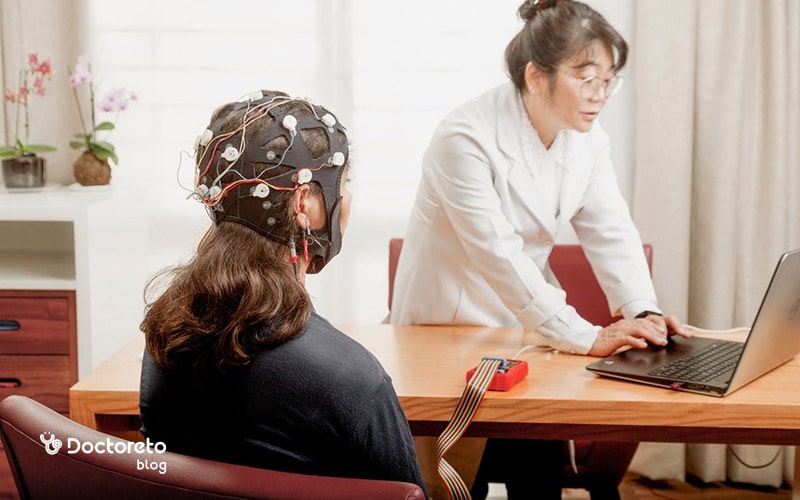
Attention Deficit Hyperactivity Disorder (ADHD) is a mental health disorder in which a person suffers from low concentration, hyperactivity and impulsivity (sudden and thoughtless behaviors). When doctors look at the brain activity of people with adhd with EEG devices or other imaging methods, they notice that its activity is abnormal and variable and different from normal.
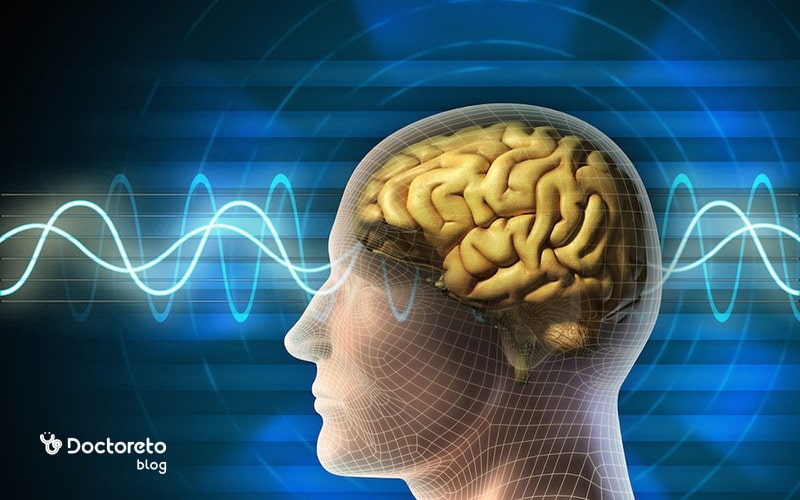
Neurofeedback encourages the brain to adjust to a normal brain activity pattern to reduce the symptoms of this disorder. The result of this process is reducing ADHD symptoms and increasing concentration, controlling impulsiveness and reducing hyperactivity in the individual.
2. Anxiety and stress management
Neurofeedback is used as an effective adjunctive treatment for anxiety and depression. By changing brain waves and encouraging brain wave patterns related to relaxation and positive emotional states, this treatment can help improve the person's mood and reduce the symptoms of these disorders.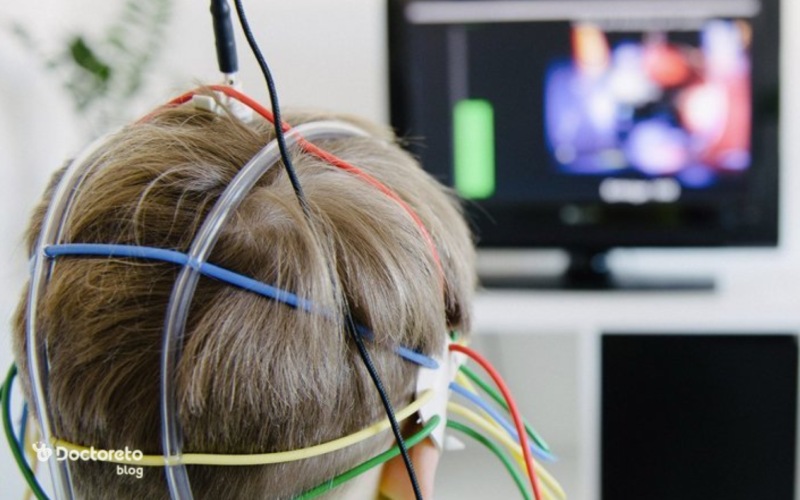
3. Sleep disorders
Neurofeedback is an innovative and highly effective treatment method for improving sleep quality in people who struggle with chronic insomnia, stress or sleep disorders. By training the brain to produce brain wave patterns associated with relaxation and deep sleep, this method can help you experience more peaceful and uninterrupted sleep. Of course, for chronic insomnia, the first line of treatment is CBT and neurofeedback is an auxiliary option.4. Emotional regulation and reduction of impulsivity
Showing impulsive and sudden behaviors is a behavioral disorder that can have adverse effects on work and social relationships and daily decisions. Neurofeedback helps these people better manage their irrational emotions and behaviors. In this situation, when being in a stressful situation, a person is able to show more rational behavior and make more informed decisions with more calmness.
5. Improve concentration and attention
If you have trouble concentrating, learning and remembering information, neurofeedback can help you improve attention. This treatment can improve a person's ability to stay focused on tasks and avoid distractions by increasing the controlled activity of beta waves in certain areas of the brain that are associated with concentration and accuracy.
English text:
quoted from the site districtcounseling
Neurofeedback is safe, non-invasive, and unlike other forms of traditional therapy completely drug-free.
Persian translation:
Neurofeedback is a safe and non-invasive treatment and unlike many traditional treatments, it does not require the use of drugs.
Challenges and limitations of neurofeedback effectiveness
Although neurofeedback has many benefits, it is better to familiarize yourself with the challenges and limitations of this treatment before doing it in order to make a more informed decision:
- Not standardizing treatment protocols
- Variable effectiveness and dependent on the individual
- High cost
- The need for time commitment is usually high
- Possible side effects
Which doctor should we refer to for neurofeedback treatment?
For more information about neurofeedback, you can make an appointment with the best neurologists in Iran.
In the following, you can see a list of the most prominent neurologists in some different cities of Iran:
Conclusion
With neurofeedback becoming increasingly popular and accepted, many people want to know does neurofeedback work. Fortunately, valid scientific evidence shows that this treatment method can be used as an adjunctive treatment for those who are facing mental and cognitive disorders such as ADHD, anxiety, sleep disorders, and concentration problems. Of course, the degree of its effect is different for each person, so to determine if you are a suitable candidate for this treatment, consultation with a specialist and designing a personalized treatment plan is necessary.
Your doctor takes care of your health!