Does neurofeedback have side effects? A complete and scientific review of neurofeedback complications

Dr. Melika Akbari Mehr
تهرانNeurologist and neurologist
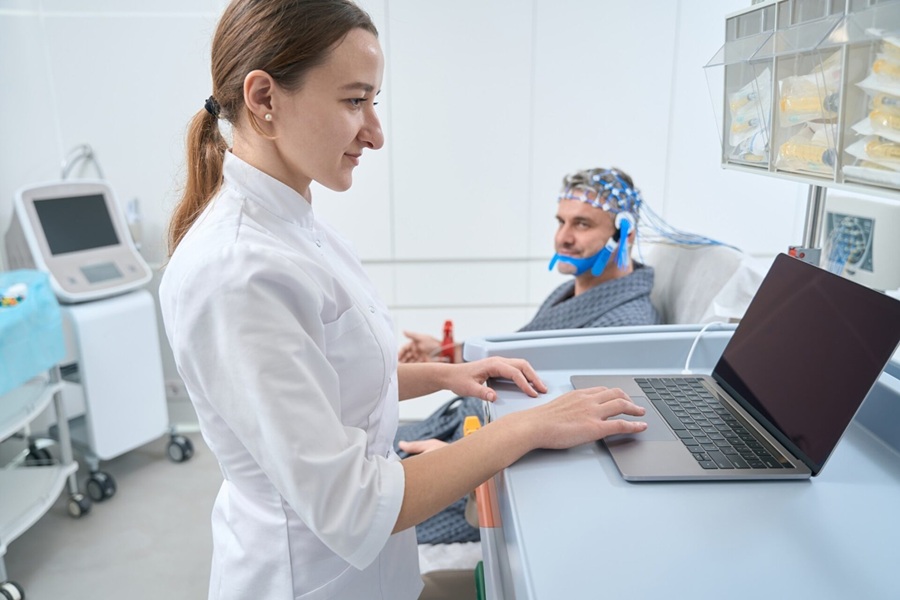
Neurofeedback, as an advanced and non-invasive treatment method, has opened new horizons for improving brain function and treating a wide range of disorders. However, any new treatment approach can come with questions about its safety and implications. Concern about neurofeedback complications is one of these common concerns. But this method is one of the safest treatment techniques if it is performed correctly by experienced professionals. In this article, we have examined the issue of neurofeedback complications.
Neurofeedback effects; The brain's natural reactions to change
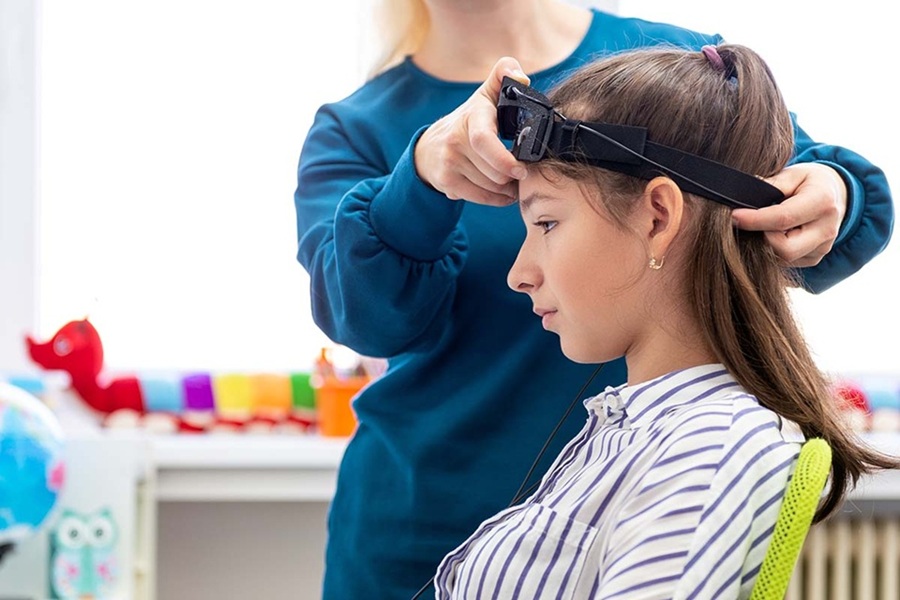
The term "side effects" may sound a little alarming, but in the field of neurofeedback, many of these are temporary and natural reactions from the brain to its learning and resetting process. Your brain changes its activity patterns during treatment sessions, and this adaptation may be accompanied by some transient symptoms. These reactions are usually a sign of the effectiveness of the treatment. In the following, we discuss the most common possible reactions that may occur.
Short-term and transient reactions after sessions
The most common reactions that some people report are very mild and temporary physical symptoms. Things like a mild headache, a feeling of tiredness similar to tiredness after prolonged mental concentration, or a slight light-headedness, may occur after the session. These symptoms usually resolve on their own within a few hours and are nothing to worry about. In fact, these reactions show that the brain is working to create new neural pathways and optimize its performance.
temporary emotional and mood changes
Since neurofeedback works directly with brainwave patterns associated with mood and emotions, some people may experience temporary changes in these areas. These feelings are part of the brain's adaptation process to new functional patterns and usually disappear after a few initial sessions, as the changes stabilize.
These temporary changes can include the following:
- Temporary increase of anxiety or emotional sensitivities
- Minor changes in night sleep pattern
- Feeling of mental fatigue after the session ends
The role of inappropriate treatment protocol in the occurrence of complications
One of the most important points is that a significant part of neurofeedback side effects that are sometimes reported are not related to the technique itself. These cases are often the result of an incorrect treatment protocol or incomplete initial assessment. If the treatment is not designed based on an accurate brain map (QEEG) and its correct analysis, inappropriate patterns in the brain may be strengthened and lead to unwanted reactions. For this reason, choosing a specialist treatment center is very important.
Rarity of serious complications and management of reactions
One of the important facts that clients should know is that serious and dangerous side effects of neurofeedback treatment are almost non-existent and the reported cases are much milder compared to many drug treatments. These temporary reactions are usually a sign that the brain has responded to the protocol and needs minor adjustments. An experienced specialist can simply control and manage these reactions by changing the target frequencies or the duration of the session so that the treatment path continues more calmly and effectively.
Ways to prevent neurofeedback complications
Fortunately, by following a few key principles and working effectively with the therapist, the likelihood of any adverse reaction can be reduced to near zero. Prevention is always the best approach, and in the case of a non-invasive treatment like neurofeedback, achieving a completely safe and effective therapeutic experience will be very simple. In the next section, we will examine in detail the main strategies to prevent the complications of neurofeedback, so that you can start this treatment path with full confidence.
Choosing a reputable clinic and an experienced specialist
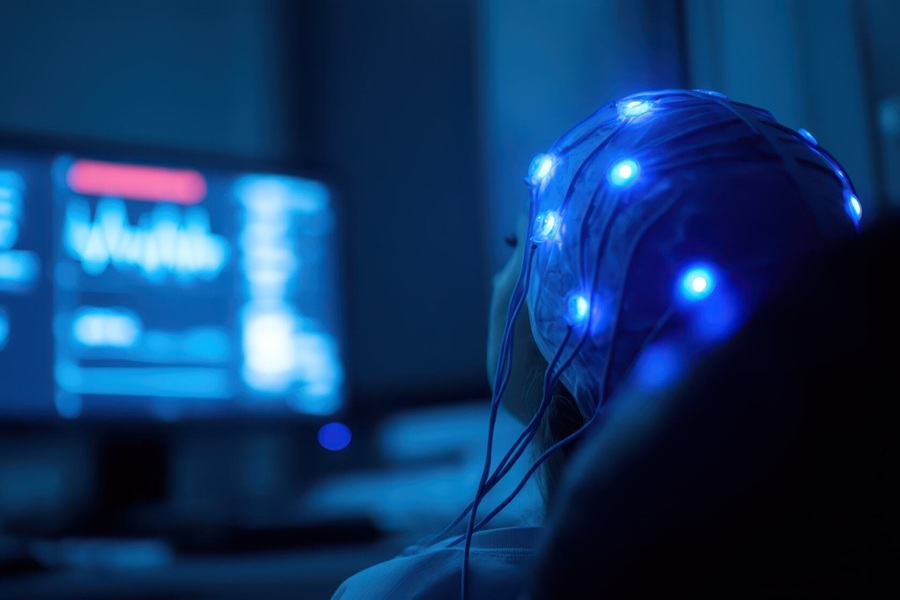
The first and most basic step to prevent any complications is to choose a specialized and reliable clinic. A center that begins treatment with a comprehensive and detailed evaluation such as an electroencephalogram (QEEG) reflects the center's scientific and principled approach. This assessment allows the specialist to design a fully personalized treatment protocol tailored to your brain's unique needs. This work forms the foundation of a successful and completely safe treatment.
The importance of accurate and clear reporting to the therapist
As a client, you have an active role in the success and safety of the treatment process. Honest and transparent communication with the therapist is extremely important. Any changes or unusual feelings after the sessions should be reported to your specialist. This feedback helps the therapist to modify the protocol settings if needed and ensure the best result.
Important points to report to the therapist are:
- Report any unusual feelings of headache, dizziness, or fatigue
- Instant notification of any changes in sleep quality or pattern
- Explanation of any mood changes such as increased anxiety or restlessness
Adherence to treatment plan and regular meetings
The brain needs time and repetition to learn and consolidate new patterns. Adhering to the treatment plan set by your specialist and attending regular neurofeedback sessions gives the brain a chance to make positive changes in itself in a sustainable way. Stopping the treatment suddenly or irregularly participating in the sessions can disrupt this process and even lead to some unstable and unwanted reactions. Continuity is the key to achieving lasting results.
The effect of lifestyle on the effectiveness of treatment
In addition to the treatment protocol and clinical follow-ups, paying attention to lifestyle factors is also very effective in preventing neurofeedback complications and improving overall results. A learning brain needs energy and support. Therefore, making sure to have an adequate and quality sleep pattern, following a balanced diet as well as managing daily stress levels can help the brain adapt faster and without unwanted reactions. These complementary factors accelerate the improvement process.
Neurofeedback; A smart choice for brain health
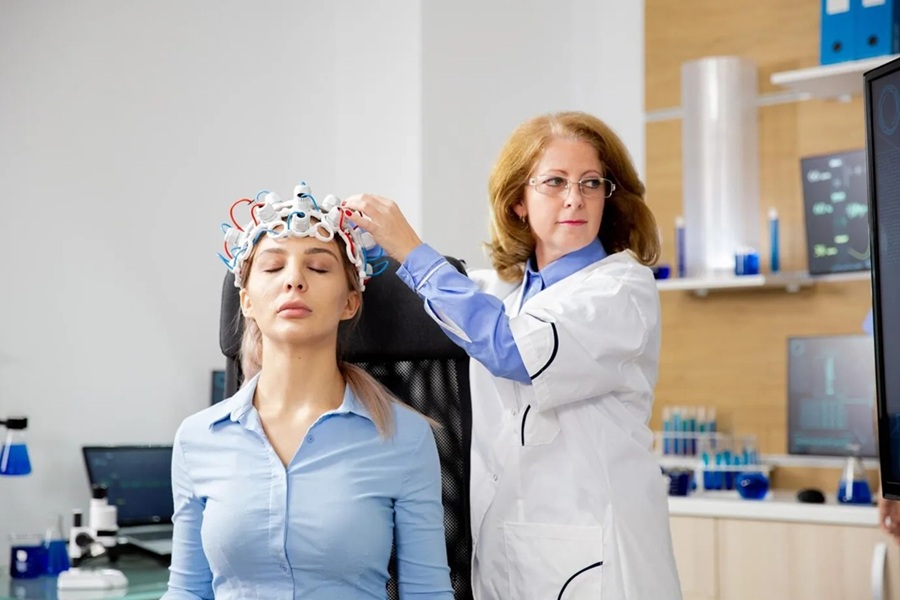
The side effects of neurofeedback is an issue that should not cause you concern, but should be considered as a guide to choose the correct course of treatment. These reactions, if they occur, are often rare, temporary and completely preventable, provided that treatment is performed under the supervision of experienced professionals and using scientific protocols. At Neurali Neurology Clinic, we rely on the knowledge of neuroscience department specialists and the use of advanced equipment such as brain mapping (QEEG), to guarantee you a safe, effective and completely personalized treatment experience.
FAQ
Are the effects of neurofeedback permanent?
No, almost all reported reactions are temporary and mild and resolve completely with treatment protocol adjustment or within a few hours after the session.
Who should not use neurofeedback?
Neurofeedback is generally a very safe method, but the final decision to start treatment should be made after consultation with a neurologist and a thorough evaluation.
How to prevent neurofeedback complications?
By choosing a reputable clinic that uses brain mapping and by accurately reporting any changes to your therapist, you can minimize the chance of complications.





