Listen to the summary of this article in this podcast
Anemia is a condition in which the blood's ability to carry oxygen decreases and can cause symptoms such as fatigue, weakness, and reduced activity tolerance. Along with these symptoms, some people experience skeletal pain, and this raises the question of whether there is a connection between anemia and bone pain. Medical studies show that the answer to this question is not simple and depends on the type of anemia, its severity and the underlying conditions of the person. The association of anemia and bone pain is seen more in specific anemias or serious blood diseases and not in all patients. Correct understanding of this relationship can help to diagnose the cause of pain more accurately and choose the right path of investigation. In this article, you will learn from your doctor about the relationship between anemia and bone pain.
What is the connection between anemia and bone pain?
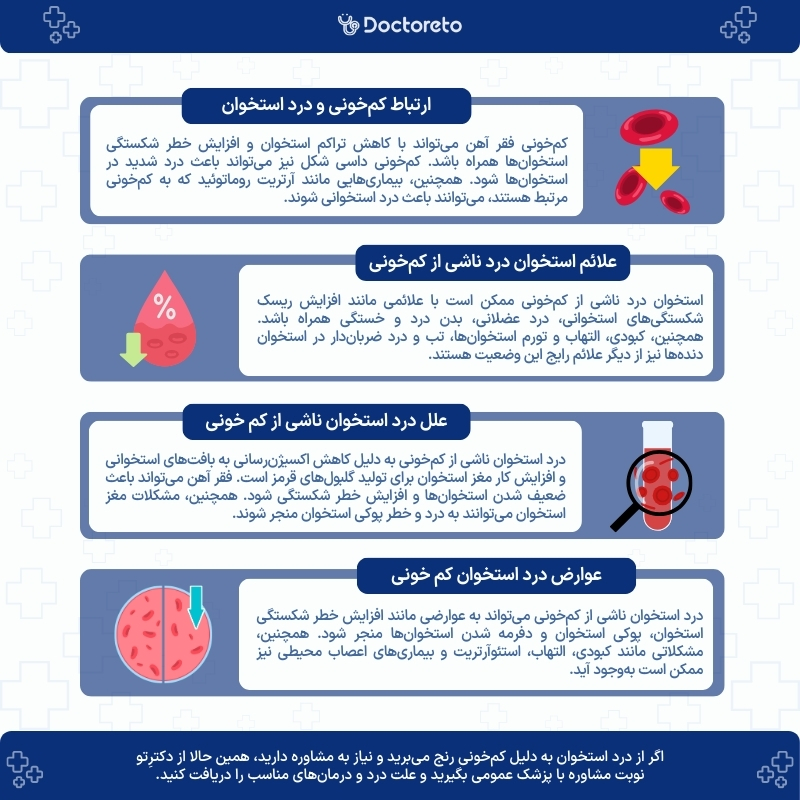
Anemia, especially iron-deficiency anemia, may be associated with decreased bone density and increased risk of osteoporosis, but its direct association with bone pain requires further research. Anemia and bone pain can be related through different mechanisms. Other types of anemia, such as sickle cell anemia, can also cause severe bone pain.
From the medical point of view, the relationship between anemia and bone pain is seen more in specific anemias such as hemolytic anemias, thalassemia, sickle cell anemia and some bone marrow diseases. In these situations, the bone marrow may work too much, the bone structure may change, or the blood flow in the bone may be disturbed, resulting in bone pain. On the other hand, in simple iron deficiency anemia, bone pain is not a common and typical symptom, and if it is present, the possibility of simultaneous deficiencies such as vitamin D, inflammatory diseases, or other causes should also be investigated. So the short answer is that anemia can be associated with bone pain, but it is not always the primary cause.
1. The effect of anemia on bone health
Anemia causes fatigue and reduced activity tolerance and can be problematic indirectly (such as reduced mobility, increased risk of falling); But bone fragility and fractures are usually related to specific bone causes (such as osteoporosis) and should be evaluated separately.
On the other hand, severe anemia may reduce physical activity and the person may be less active, which can worsen musculoskeletal pain. Therefore, bone health does not depend on only one factor and the whole picture of the body should be seen. On the other hand, iron deficiency anemia usually affects muscle function and may cause muscle weakness.
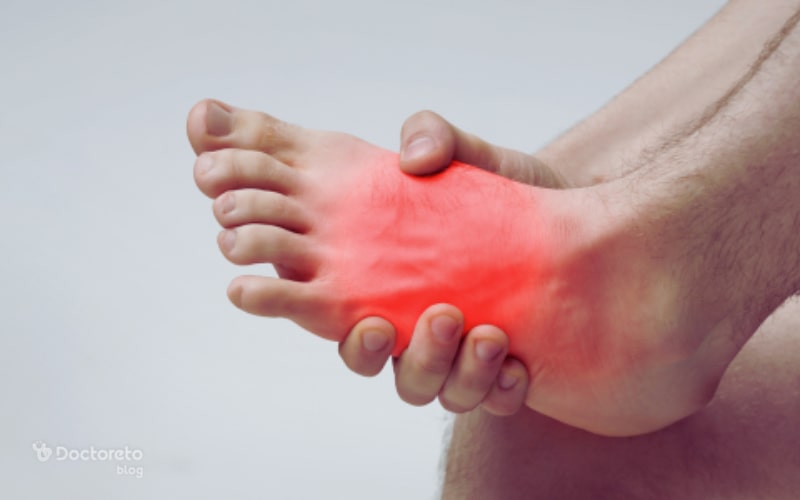
Some severe anemias can cause bone pain.
2. Anemia and bone inflammation
Some types of anemia, such as sickle cell anemia, cause severe bone pain through the inflammation they cause in the bones. This blockage is the cause of severe pain, swelling and inflammation in the bones. The important thing is that in chronic inflammation, the body stores iron and red blood cell production decreases, so a person may have both anemia and skeletal pain. If the pain is accompanied by morning dryness, joint swelling, prolonged mild fever, or weight loss, it is necessary to investigate the inflammatory cause.
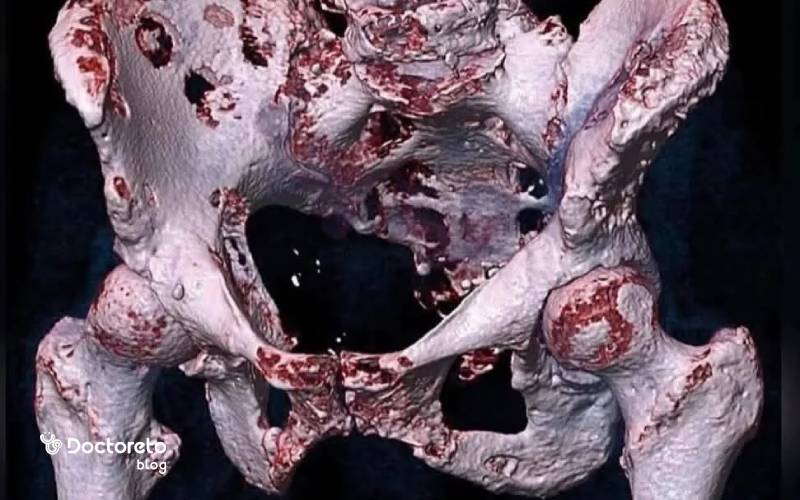
English text: Some people with sickle cell anemia also have chronic pain from bone and joint damage. Text translation: People with sickle cell anemia experience chronic pain from damage to bones and joints.
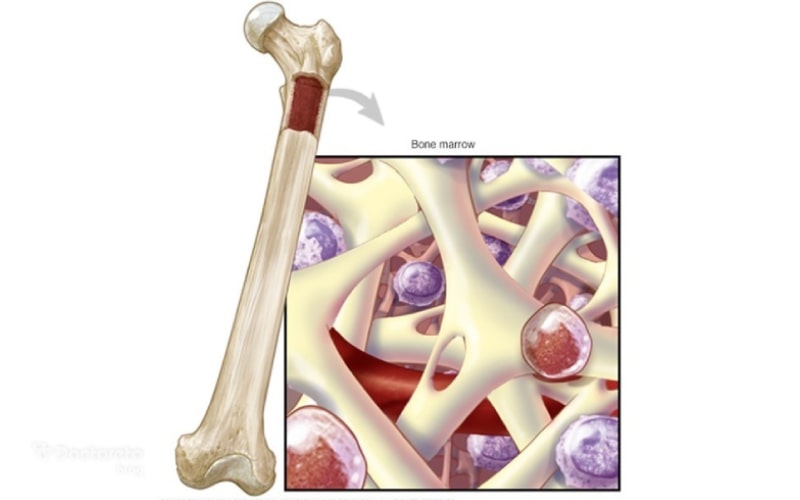
Sometimes the connection between anemia and bone pain is in the form of decreased bone marrow health, which causes the symptoms of bone marrow anemia. In some blood and bone marrow cancers, such as leukemia or myeloma, bone pain can be one of the warning signs, because abnormal cells grow inside the bone marrow and pressurize the normal space. The pain may be deep, persistent, and sometimes worse at night, and may be accompanied by symptoms such as unexplained bruising, frequent infections, or severe weakness. Aplastic anemia usually presents with fatigue, frequent infections, and bleeding and bruising. If bone pain is present, other causes (including bone marrow malignancies or nonhematologic causes) should be investigated.
Is there a hidden connection between anemia and bone pain? See in this video!
4. Anemia and bone pain in children and adolescents
Different types of anemia in children and teenagers can cause problems in bone growth and health. Periodic and chronic bone and joint pains are common in children and adolescents with sickle cell disease. However, bone pain at this age has multiple causes and requires clinical evaluation. The cause of anemia and bone pain in this disease is inflammation and blockage of blood vessels. Besides these, if the child with bone pain has paleness, severe lethargy, easy bruising or frequent fevers, it is necessary to check blood and bone marrow diseases.
bone pain symptoms due to anemia
Although many people with anemia do not have bone pain at all, when anemia is accompanied by bone pain, several other symptoms are usually seen along with it. True bone pain is often deep and is felt mostly in long bones such as the thigh and leg or in the hip and back. Pain intensity may worsen with activity, but warning pains sometimes persist at rest. If the pain is accompanied by symptoms of anemia such as weakness and palpitations, the connection is more likely. The following symptoms can be seen in severe anemia or bone marrow diseases with bone pain:
Deep and persistent bone pain, especially in the hip, back, or long bones
Worsening pain at night or with point pain and obvious sensitivity
Severe fatigue, shortness of breath with activity, palpitations or dizziness
Obvious paleness, easy bruising or bleeding gums and nose
Recurring fevers, night sweats or unexplained weight loss
Symptoms associated with anemia and bone pain
Pain pattern
Accompanied symptoms
Why is it a warning?
Deep and persistent bone pain
Pilps, back, long bones
Fatigue severe
possibility of bone marrow involvement
pain worse at night
at night or at rest
point pain and tenderness
possibility of more serious diseases
pain accompanied by fever
continuous or periodic
recurrent fevers
possibility of inflammation or Infection
Pain with easy bruising
Variable
Bruising, bleeding gums/nose
Blood disorders
Pain with weight loss
Gradual
Unexplained weight loss
Possibility of underlying disease Important
pain with shortness of breath
with activity
heart palpitations, dizziness
severe anemia
Table of warning signs in bone pain with anemia
Causes of bone pain caused by anemia
The cause of bone pain caused by anemia is classified based on the type of anemia and the individual's condition. In some anemias, the bone marrow becomes overactive to compensate for blood production, and this can lead to a feeling of pain or pressure in the bones. In others, a common cause such as chronic inflammation or concurrent blood diseases causes both anemia and bone pain. Therefore, the correct diagnosis occurs when both the blood test is checked and a detailed history of the type of pain is taken.
On the other hand, some causes are more alarming and need to be investigated more quickly, such as bone marrow diseases or severe hereditary anemia. In cases where the bone marrow does not produce enough blood cells, symptoms such as fatigue and increased risk of infection may appear. In these cases, there is a possibility of increasing the risk of osteoporosis, although this relationship still needs more research. Also, accompanying nutritional deficiencies such as vitamin D can aggravate bone pain and can be seen simultaneously with anemia. The more common or important causes of anemia and bone pain include the following:
Hemolytic and hereditary anemias such as sickle cell and thalassemia
Bone marrow diseases such as leukemia, myeloma or aplasia
Anemia in the context of chronic inflammation or autoimmune diseases
Simultaneous nutritional deficiencies such as vitamin D or B12 and folate deficiency
Long-term infections or chronic kidney diseases that impair blood production
Bone pain caused by anemia can lead to decreased mobility, muscle weakness and impaired quality of life.
How to diagnose bone pain caused by anemia
One way to diagnose anemia and bone pain is to do an anemia test. Anemia is diagnosed in CBC based on hemoglobin below the normal range; Whether white blood cells and platelets are normal or not depends on the underlying cause. In iron deficiency, serum ferritin and iron are usually low and TIBC is high; A low TIBC is more suggestive of anemia of inflammation or chronic disease and the underlying cause should be investigated. Other types of anemia are detected in a more specialized test. But to determine the cause of bone pain, further imaging tests and clinical evaluations may be needed.
Methods for treating bone pain caused by anemia
Treatment of bone pain caused by anemia depends primarily on the cause and type of anemia. In most cases, bone pain can also be treated by managing the symptoms of anemia or anemia treatment. For example, in anemia and bone pain caused by iron deficiency, by taking iron supplements and changing the diet, anemia and bone pain caused by it can be treated. In hereditary or hemolytic anemias, treatment is more specialized and may require specific medications, crisis management, or regular hematology follow-up. In bone marrow diseases, the treatment is completely different and depends on the diagnosis.
To reduce bone pain caused by anemia, supportive measures are also important, but they should be done carefully and according to the individual's conditions. Adequate rest, adequate hydration and avoiding heavy activity during periods of pain can help, and if needed, painkillers should be chosen with the doctor's opinion, especially if there is bleeding or platelet problems. If the anemia is severe or symptomatic, parenteral treatments or even blood transfusions may be necessary in certain circumstances. The general course of anemia treatment usually includes the following:
Treatment of the cause of anemia such as iron, B12 or folate in case of confirmed deficiency
Treatment of underlying disease such as chronic inflammation or bone marrow diseases if diagnosed
Correcting concomitant deficiencies such as vitamin D to reduce skeletal pain
Pain control with safe methods and according to blood condition and doctor's opinion
English text: it is hypothesized that chronic iron deficiency induces bone resorption and risk of osteoporosis, thus complete recovery from anemia and its prevention should be promoted in order to improve quality of life including bone health Anemia and its prevention should be strengthened to improve quality of life, including bone health.
Complications of bone pain caused by anemia
If anemia and bone pain are due to nutritional deficiencies, no serious complications usually remain with treatment. But if bone pain is a symptom of an underlying disease, ignoring it can lead to late diagnosis of the main problem and reduce the quality of life. Persistent pain can disrupt sleep, reduce daily activity, and cause more anxiety and fatigue, which in turn exacerbates the symptoms of anemia. Therefore, the important complication is not only the pain itself, but also the loss of time to diagnose the cause.
In severe anemia or bone marrow diseases, complications may be more serious and lead to reduced immunity, bleeding or severe weakness. In hereditary anemias such as sickle cell disease, painful complications can recur and require regular care. If bone pain is accompanied by fever, bruising, weight loss, or severe weakness, this combination of symptoms requires prompt investigation. Some complications of anemia and bone pain include:
Exacerbation of weakness and reduction of activity tolerance with sleep and concentration disorder
Persistence or worsening of pain and limitation of movement and daily activities
increasing the risk of infection or bleeding in case of blood diseases
Repetition of periods of severe pain and hospitalization in hereditary anemias
Late diagnosis of important underlying diseases and making treatment more difficult
Epocy-bone and increased risk of bone fracture
Nerve damage and tingling and numbness in case of long-term B12 deficiency
deformation of bones
Anemia can cause fatigue, weakness, heart problems, and difficulty concentrating.
prevention of bone pain and anemia
The main way to prevent bone pain caused by anemia is timely diagnosis and treatment of this disease. In cases where the cause of anemia is iron deficiency, you can prevent anemia and bone pain by having a proper diet and taking iron supplements regularly with the doctor's advice. However, sometimes bone pain and anemia cannot be completely prevented in other types of anemia, including aplastic anemia and sickle cell anemia. In women, management of heavy menstrual bleeding and follow-up of tests are important, and in children, proper nutrition and growth monitoring and testing in case of symptoms are necessary.
If your diet is low in protein or low in nutrients, you are more likely to be deficient in iron, B12, and folate, and your body will be more vulnerable to skeletal pain. Also, to reduce bone pain, attention to vitamin D, proper physical activity and enough sleep play an important role. If you have an underlying disease such as kidney disease or inflammation, regular follow-up can help control chronic anemia and reduce the likelihood of pain. In people with a family history of hereditary anemias, periodic counseling and monitoring can prevent more severe crises. Applied preventive measures include the following:
following a diet for people with anemia
Consumption of iron supplement and hematopoietic vitamins if needed with doctor's advice
Treatment and follow-up of the cause of chronic bleeding such as gastrointestinal bleeding or heavy menstruation
Evaluation and modification of vitamin D and lifestyle for bone health
Perform CBC and necessary tests in case of symptoms of anemia or persistent bone pain
See a doctor in case of warning symptoms such as night pain, fever or weight loss
Conclusion
Anemia and bone pain are not always related, but in some types of anemia and in some underlying diseases, these two symptoms can be seen together. If your anemia is mild and caused by iron deficiency, the bone pain is less likely to be caused by anemia itself, and other causes such as vitamin D deficiency or joint muscle problems should be looked for. On the other hand, if anemia is severe or accompanied by warning symptoms such as fever, bruising, weight loss or night pain, it is especially important to check for blood and bone marrow diseases. The key point is that anemia and bone pain should be investigated cause-oriented. Finally, the best way is to determine the type of anemia with a blood test and then perform targeted treatment based on that.
Your doctor takes care of your health!
Frequently Asked Questions
If bone and joint pain is seen along with anemia, one should think more about specific anemias (such as sickle cell disease) or bone marrow diseases and non-bloody causes. In iron deficiency, bone pain is not a "common symptom" and if it is present, other causes should be investigated.
Yes, in some bone marrow problems such as leukemia or myeloma, bone pain can be one of the important symptoms. be This pain is usually deep and continuous and may worsen at night or be accompanied by severe fatigue and bruising. In this condition, anemia occurs due to the disorder of normal blood production, and the treatment depends on accurate diagnosis. If you have such symptoms, don't delay seeing a doctor and doing additional tests.
Iron deficiency anemia is usually not the direct cause of bone pain and is more associated with symptoms such as fatigue, Weakness, palpitations and dizziness are known. However, some people describe vague muscle pains or bruising as bone pain, especially when anemia is severe or there are concomitant deficiencies such as vitamin D, B12, or malnutrition. If the pain is spotty, continuous and nocturnal or accompanied by fever and weight loss, it is better not to attribute it to iron deficiency only. In this case, it is necessary to conduct tests and examinations to find the real cause of the pain.
When anemia is really related to bone pain, the pain is usually deep and widespread. And it is mostly seen in large and medullary bones. Pelvis, waist, femur and sometimes leg and arm bones are more common areas, because they have more active bone marrow and are more involved in some blood diseases. In hereditary anemias such as sickle cell disease, pain can occur periodically and severely in the limbs and long bones. If the pain is only a limited point or is accompanied by swelling and redness, the possibility of local causes such as injury or infection is raised.
If the main cause of the problem is iron deficiency anemia and the person feels more bruised, weak and have vague pains, taking iron supplements can help reduce these symptoms by improving energy and oxygen supply. But if true bone pain is caused by vitamin D deficiency, joint inflammation, bone marrow diseases, or non-iron deficiency anemia, iron alone will not cure the pain and may even delay the diagnosis of the underlying cause. Also, the effect of iron supplementation is usually not immediate and requires several weeks to several months of regular consumption to improve hemoglobin and iron storage. The best thing is that iron treatment is done based on tests and under the supervision of a doctor, and if the pain continues, a supplementary examination should be done.
Sometimes yes, but in most people there are more benign causes and they should not Seeing these two signs, he immediately worried about cancer. Some blood and bone marrow cancers, such as leukemia or myeloma, can cause both anemia and bone pain, because the natural production of blood cells is disturbed and the pressure inside the bone marrow increases. Symptoms that make a more serious cause more likely include persistent and progressive pain, especially at night, unexplained weight loss, fever or night sweats, unusual bruising or bleeding, and frequent infections. If these warning signs are present along with anemia and bone pain, you should be checked by a doctor as soon as possible and, if necessary, a hematologist.
I am Farzaneh, 30 years old and I love the world of SEO and content writing, and I am curious to learn new things. Regardless of any contract, law and special style. The virtual world and the Internet have provided me with an opportunity to be with the best teams, where I can feel the feeling of getting better and improving my job with all my heart every day without any worries. I am proud to achieve this pure feeling with your good team.