Cardiac angioplasty: a modern solution for blocked arteries

Dr. Leah Mirsafai
تهرانCardiovascular specialist

Heart disease remains one of the greatest health concerns worldwide, affecting millions of people each year. For decades, open heart surgery was considered the main treatment option for blocked coronary arteries. Although these methods were effective, they required long recovery periods and carried significant risks. Fortunately, advances in cardiovascular medicine have introduced safer and less invasive alternatives. One of the most revolutionary of these procedures is cardiac angioplasty, a modern treatment that opens narrowed arteries without the need for heart surgery.
If you're concerned about chest pain, shortness of breath, or the risk of a heart attack, understanding cardiac angioplasty can change the way you approach your heart health. With the expertise of specialists like Dr. Leah Mirsafai, patients can now benefit from advanced care that restores blood flow, reduces symptoms and improves quality of life.

What is cardiac angioplasty?
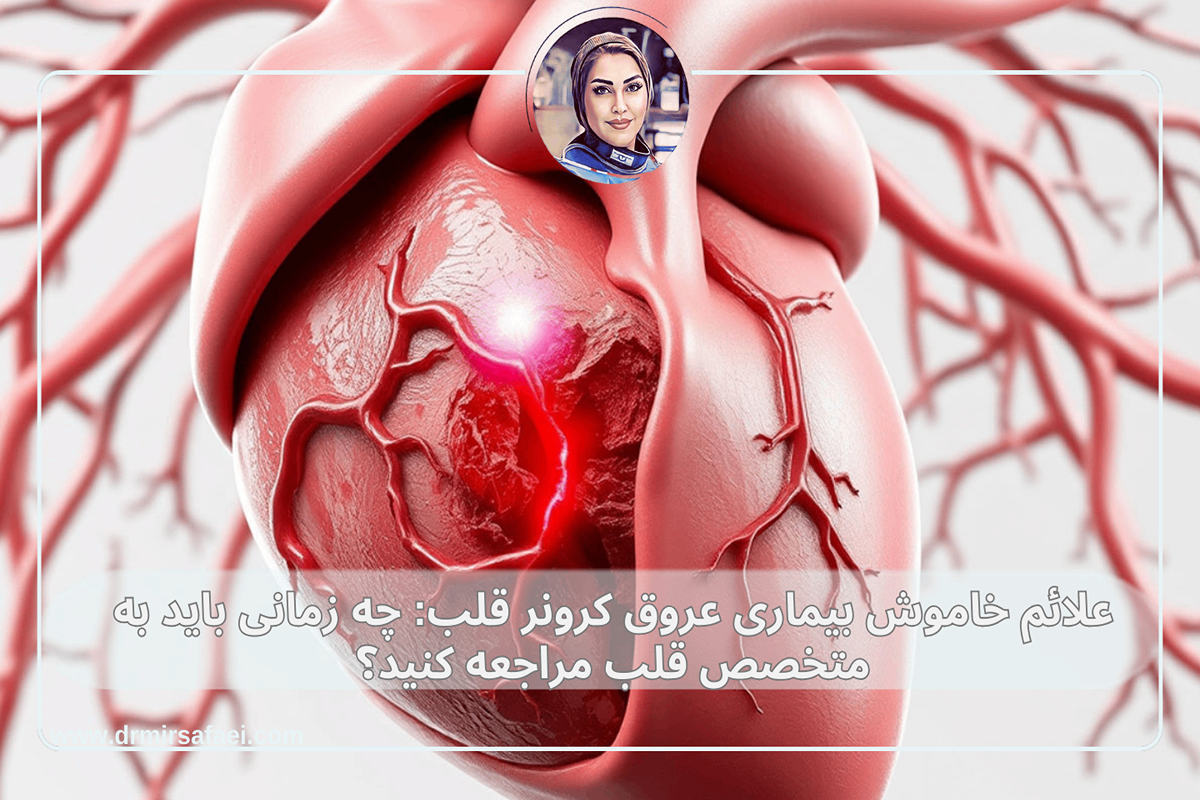
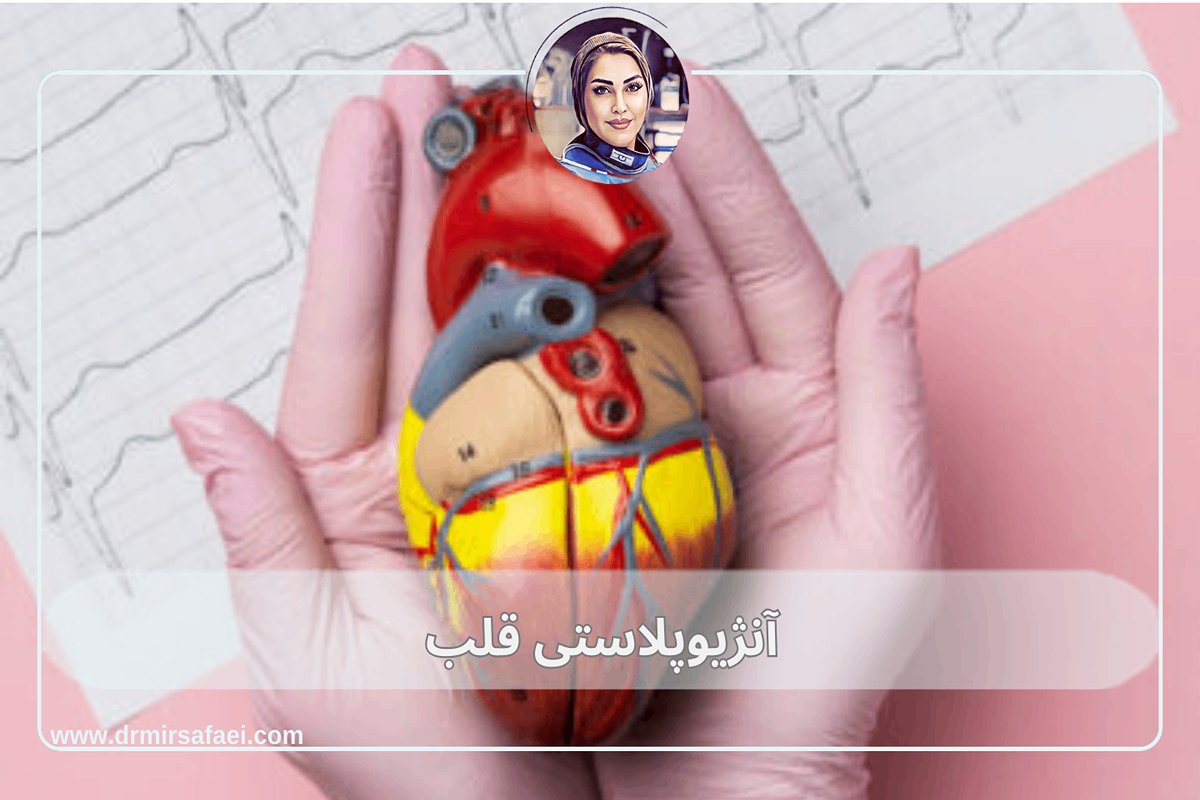
Coronary angioplasty is a minimally invasive procedure to open coronary arteries. Blocked or narrowed arteries that supply blood to the heart are designed. The process involves inserting a thin catheter into a blood vessel, usually in the wrist or groin, and guiding it to the site of the blockage. After the catheter is in place, a small balloon attached to the catheter is inflated to dilate the artery. In most cases, a stent (a small mesh tube) is then inserted to keep the artery open and ensure smooth blood flow.
Unlike open-heart surgery, this procedure requires only a small hole instead of a large incision in the chest. As a result, recovery is faster, risks are lower, and patients usually return to their normal activities much sooner. Under the care of Dr. Leah Mirsafaei, this procedure is performed with care and attention to the patient's comfort, making it a safe and reliable choice for many people.
Also read: What is a heart strip and how does it help diagnose heart disease?
Why coronary angioplasty? Does it matter?
Clogged arteries reduce the amount of oxygen-rich blood that reaches the heart. Over time, this can cause chest pain (angina), shortness of breath, fatigue, or even a heart attack. Coronary angioplasty addresses the root of the problem by restoring proper blood flow, not just managing symptoms.
This procedure is especially important for people who have not responded well to medications or lifestyle changes. This method provides immediate relief for many patients and improves longevity and quality of life. With the guidance of experts like Dr. Leah Mirsafai in treatment, angioplasty is more than a procedure – it becomes a path to renewed health and energy.

step-by-step procedure
When you undergo coronary angioplasty, you are awake but with Local anesthesia and mild sedation will make you feel comfortable. A catheter is inserted through the radial artery in the wrist or the femoral artery in the groin. Using advanced imaging technology, the doctor carefully guides the catheter to the blocked artery. The advent of cardiac angioplasty has changed the way cardiologists treat coronary artery disease. Patients report several key benefits, such as being less invasive compared to open heart surgery, shorter hospital stays and faster recovery, reduced pain and scarring, immediate relief of symptoms such as chest pain, and lower overall risk compared to major surgery. Before the development of angioplasty, many patients with blocked arteries had no choice but to undergo bypass surgery. While bypass surgery is still necessary for certain complex cases, cardiac angioplasty has become the preferred option for many people because of its safety and effectiveness. The difference in recovery alone is significant. Bypass surgery may require weeks or months to recover, while angioplasty patients often return to work and daily activities within days. When angioplasty is performed by a specialist like Dr. Leah Mirsafaei, it combines the latest technology with personalized care, ensuring that patients receive the best possible outcome without the risks of open heart surgery. Cardiac
Once the blockage is reached, the balloon inflates and pushes the fatty deposits against the artery walls, creating space for blood to flow. A stent is usually placed to provide long-term stability. The entire process usually takes one to two hours, and patients often go home the next day. Under the skilled hands of Dr. Lia Mirsafaei, each step is carefully performed and safety and comfort are guaranteed during the procedure.
Also read: The benefits of cardiac angioplasty
Most importantly, patients regain confidence in their daily activities knowing their heart is working with restored blood flow.Cardiac Angioplasty vs. Open Heart Surgery
Life after cardiac angioplasty
Having this procedure is just the beginning of a healthier lifestyle. Patients who undergo coronary angioplasty often feel better immediately, but long-term success depends on continued care. This includes taking prescribed medications, maintaining a heart-healthy diet, staying active, and managing stress.
Follow-up appointments with Dr. Leah Mirsafai are an important part of the recovery process. He ensures the stent is working properly, monitors the heart's overall health, and provides guidance to prevent future blockages. With ongoing support, patients can look forward to a strong and active life.

Why did you choose Dr. Lia Mirsafaei Do you?
When it comes to something as vital as your heart, choosing the right doctor is very important. Dr. Leah Mirsafai is known for her dedication, skill and compassionate approach to patient care. His expertise in coronary angioplasty ensures that patients receive not only advanced medical treatment, but also personalized support along the way.
Patients trust him because he takes the time to explain every detail, answer questions, and design treatment plans tailored to individual needs. With his guidance, patients gain confidence knowing they are in the hands of an expert who prioritizes both their immediate recovery and long-term health.
Final Notes
Heart disease may be common, but thanks to modern medicine, treatment no longer means long surgeries and painful recoveries. Coronary angioplasty is a groundbreaking approach that quickly, safely and effectively restores blood flow without the risks of open heart surgery
By choosing the care of Dr. Leah Mirsafai, patients gain access to advanced cardiovascular treatments along with compassionate and personalized care. If you or a loved one is struggling with coronary heart disease, now is the time to explore this life-changing solution. With the right doctor and the right treatment, your heart can be stronger, longer, and healthier than ever.
Is coronary angioplasty painful?
Most patients feel little or no pain during the procedure. Local anesthesia numbs the catheter insertion site and mild sedation keeps you comfortable. You may feel some pressure, but the process is usually not described as painful.
How long does recovery take after coronary angioplasty?
Recovery is much faster than open heart surgery. Many patients go home the next day and resume normal activities within a week, depending on their overall health.
Does coronary angioplasty completely cure heart disease?
Although this procedure opens blocked arteries, it does not eliminate the underlying causes of heart disease. Lifestyle changes, medications, and follow-up care with a doctor are essential to prevent further blockages.